
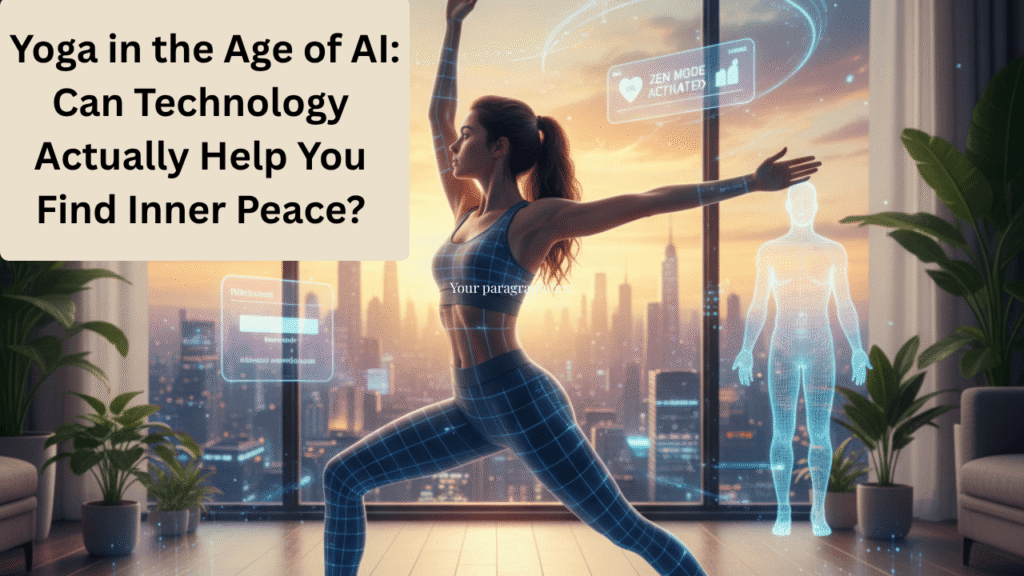
Discover how AI is revolutionizing cycling, Yoga in the Age of AI and simple exercises in the modern era. Discover the powerful connection between technology and mental health and find out if AI can really help you find your “Zen” through mindfulness.
Table of Contents
Introduction
In this era, the line between our digital lives and our physical health has become blurred. What used to be a simple choice between “go for a ride” or “hit the yoga mat” has been replaced by artificial intelligence.
While some fear that Yoga in the Age of AI technology distracts us from the present moment, a new wave of “digital zen” is proving that AI may actually be our greatest ally in achieving mental clarity.
Whether you are a dedicated cyclist, a yoga enthusiast, or someone who prefers the easiest “slow” morning stretches, AI is shifting the focus from “how much you sweat” to “how good you feel.”
1. The Digital Guru: AI-Powered Yoga and Real Time Presence
Yoga has always been about the unity of mind and body, but even the most experienced yogis can lose focus.
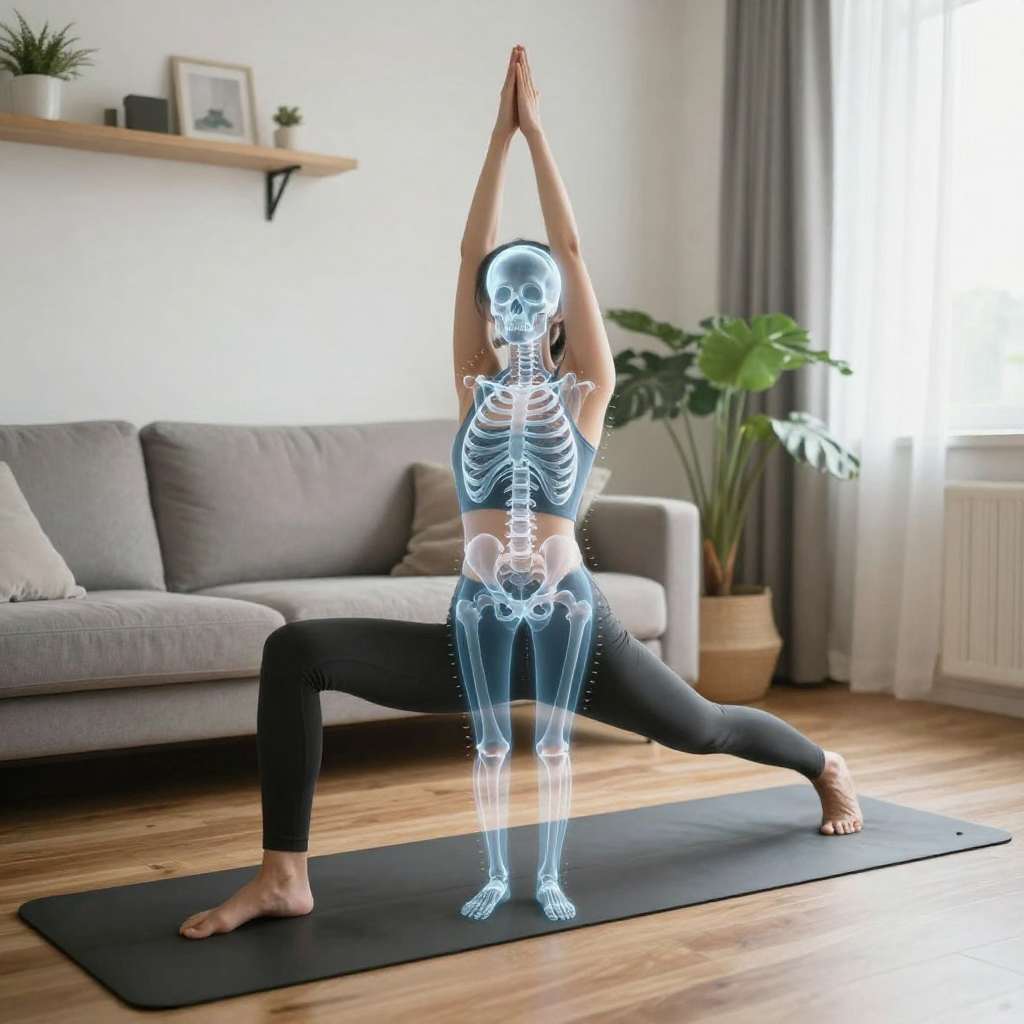
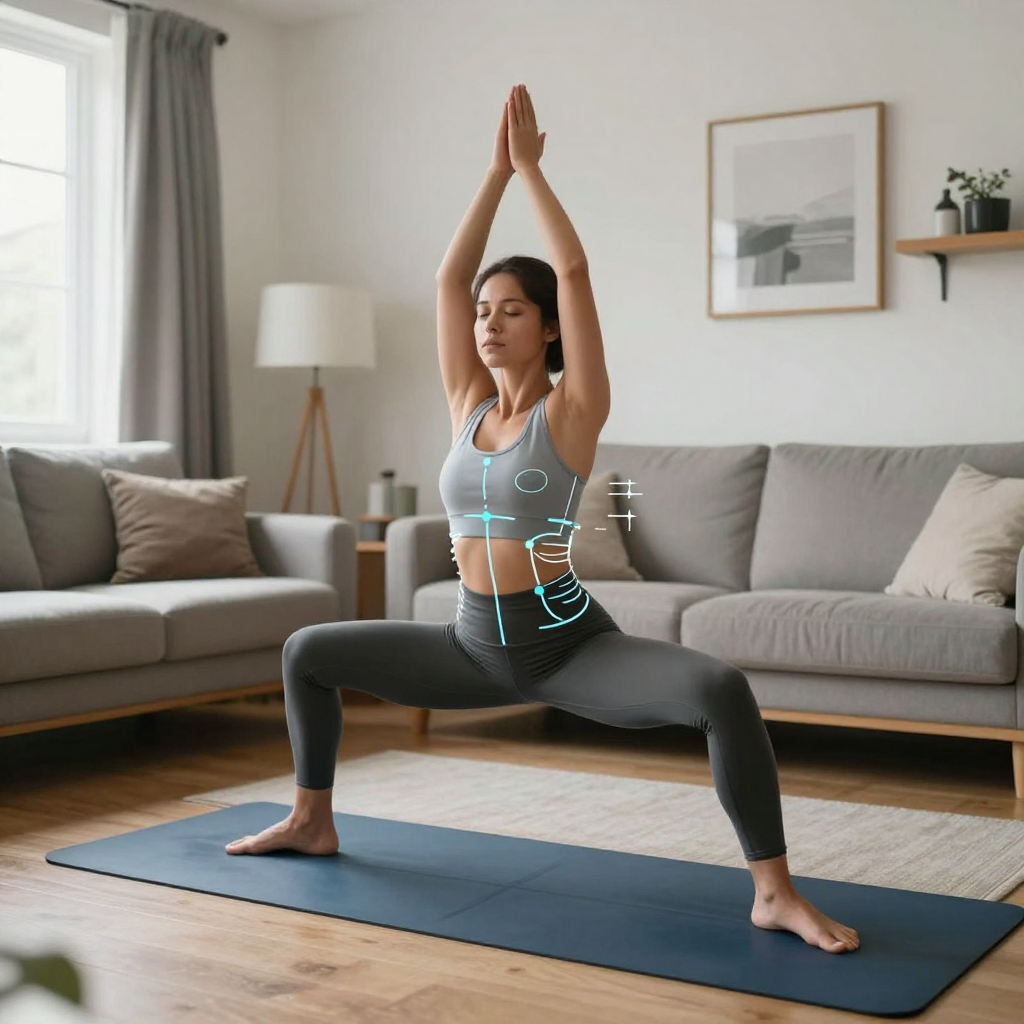
AI-powered apps now use computer vision to act as a “Digital Guru,” offering real-time posture correction through your smartphone camera. By ensuring your alignment is correct, AI removes the anxiety of “doing it wrong,” allowing you to stay fully present in your breath.
By ensuring your alignment is correct, AI removes the worry of “doing it wrong” by allowing you to be fully present in your breath.
This immediate feedback helps beginners find their center faster and helps advanced practitioners deepen their practice without needing a physical studio.
2. Cycling in the Zone: How Algorithms Boost Mental Clarity
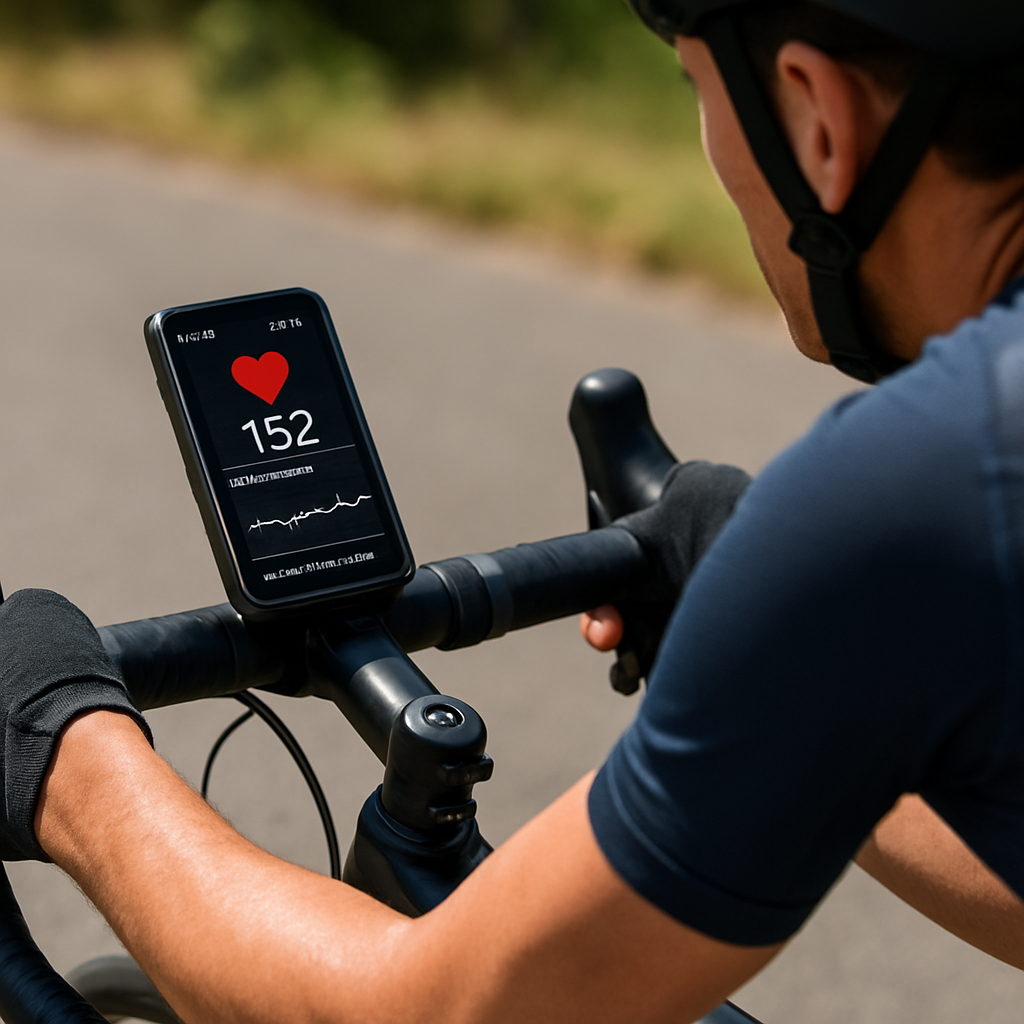
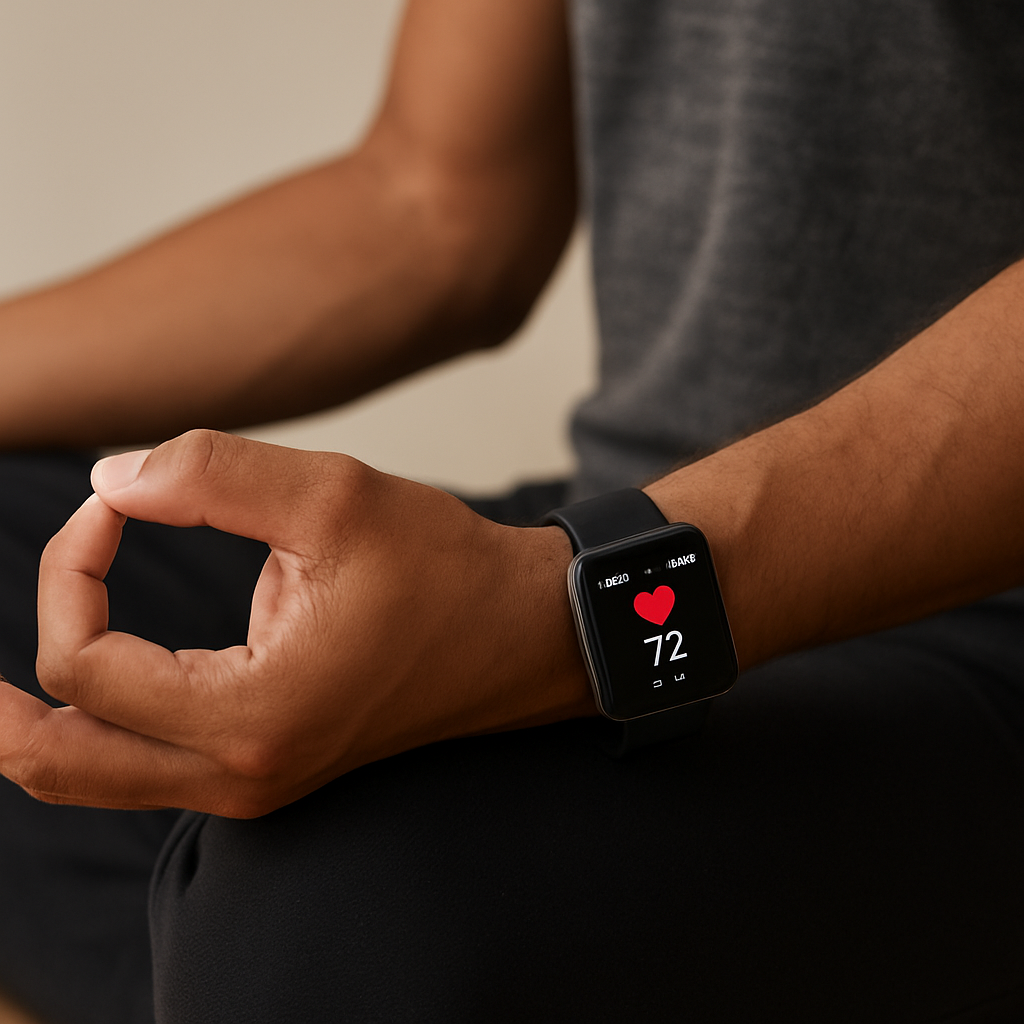
For cyclists, “the zone” is that magical state where the legs move on their own and the mind is still. In this era, AI-connected bike computers and smart trainers take it even further by analyzing your heart rate variability (HRV) and stress levels in real time.
If yoga in the age of AI detects that you are mentally fatigued, it can automatically adjust your resistance to “recovery flow,” turning a high-intensity workout into a dynamic meditation. This ensures that your cardio sessions support your mental health instead of adding to your daily burnout.
3. Effortless Wellness: AI for Simple and "Lazy" Exercises
For those who prefer “lazy” exercises, like stretching while watching TV or doing 2-minute “micro-movements” AI is the perfect silent coach.
Yoga in the Age of AI wellness tools can push you to move based on how long you have been sedentary, suggesting a simple neck stretch or a chair yoga pose exactly when your body needs it most. By breaking down barriers to mobility, Yoga in the age of AI makes wellness accessible even on your lowest energy days, proving that consistency is the truest path to Zen.
4. The Mind Body Algorithm: Balancing Data with Intuition
The true power of Yoga in the Age of AI lies in its ability to predict our needs before we even realize them. By syncing with your sleep and nutrition data, AI can recommend the best workout for your specific state of mind.
However, the secret to “Digital Zen” is using this data as a guide not a rulebook. The most successful fitness journeys are those where we use Yoga in the Age of AI to handle the planning and tracking, freeing our minds to simply experience the joy of movement. It is not about letting the machine take over, it is about letting the technology clear the path to your inner peace.
.
Conclusion
It is clear that yoga in the age of AI is not here to replace the human spirit, but to enhance it. By taking the guesswork out of cycling, yoga and simple daily movements, AI allows us to focus on what truly matters, our mental and physical harmony.
Finding your Zen in the age of AI means embracing these tools to create a personalized, stress free path to health. So, whether you are clipping into your pedals or unrolling your mat, remember that the best technology is the one that helps you reconnect with yourself.
(FAQs) About Yoga in the Age of AI: Can Technology Actually Help You Find Inner Peace?
1. Can AI really understand my "Zen" or mental state?
While Yoga in the Age of AI does not “feel” emotions, it can analyze physical markers like heart rate and breathing patterns to accurately predict your stress levels and suggest appropriate exercises.
2. Do I need expensive equipment to start AI yoga?
No! Most modern AI yoga apps only require a smartphone with a working camera to track your movements.
3. Is AI-driven cycling better for weight loss or mental health?
It’s excellent for both. AI ensures you stay in the “Goldilocks” zone hard enough to burn calories, but controlled enough to reduce cortisol and boost your mood.
4. How does yoga in the age of AI help "lazy" exercisers stay consistent?
Yoga in the age of AI removes the “planning” hurdle. It gives you 5-minute tasks that feel easy to start, making it hard to make excuses.
5. Can AI replace a real-life yoga teacher?
AI is great for form and scheduling, but it cannot provide the community or the deep spiritual guidance of a human “Guru.” Think of it as a daily assistant.
6. Will using a screen for yoga distract me from my meditation?
It can. The key is to use the AI for the first few minutes to check your form, then focus inward once you are settled in the pose.
7. How does AI prevent injury during home workouts?
By using “Pose Estimation” technology, AI can alert you if your back is rounded or your knees are out of alignment before you cause a strain.
8. Can I use AI wellness tools if I have limited mobility?
Yes! Many AI tools are designed specifically for “Active Aging” and can suggest seated or low-impact movements tailored to your range of motion.
9. Does AI tracking cause "Data Anxiety"?
It can for some. If you find yourself obsessed with “closing rings,” it’s a sign to turn off notifications and practice “unplugged” for a few days.
10. What is the "Bio-Syncing" trend in 2026?
It is the practice of matching your exercise intensity to your body’s internal biological markers, like your sleep cycles or hormonal health, using AI.
11. Is AI-powered exercise safe for people with high stress?
Yes, it is actually safer because yoga in the age of AI will suggest “low-intensity” recovery sessions rather than pushing you toward a high-intensity workout that could increase stress.
12. How do I start my "Digital Zen" journey today?
Download an AI-based wellness app, sync it with your wearable, and try a 5-minute mindful movement. Start small and let the technology guide you.