
Cycling: The Ultimate Guide to Benefits for a Healthier Life
Cycling is one of the healthiest and most enjoyable ways to stay fit. Discover the physical, mental and lifestyle benefits of cycling and why it is the perfect habit for a healthier life.
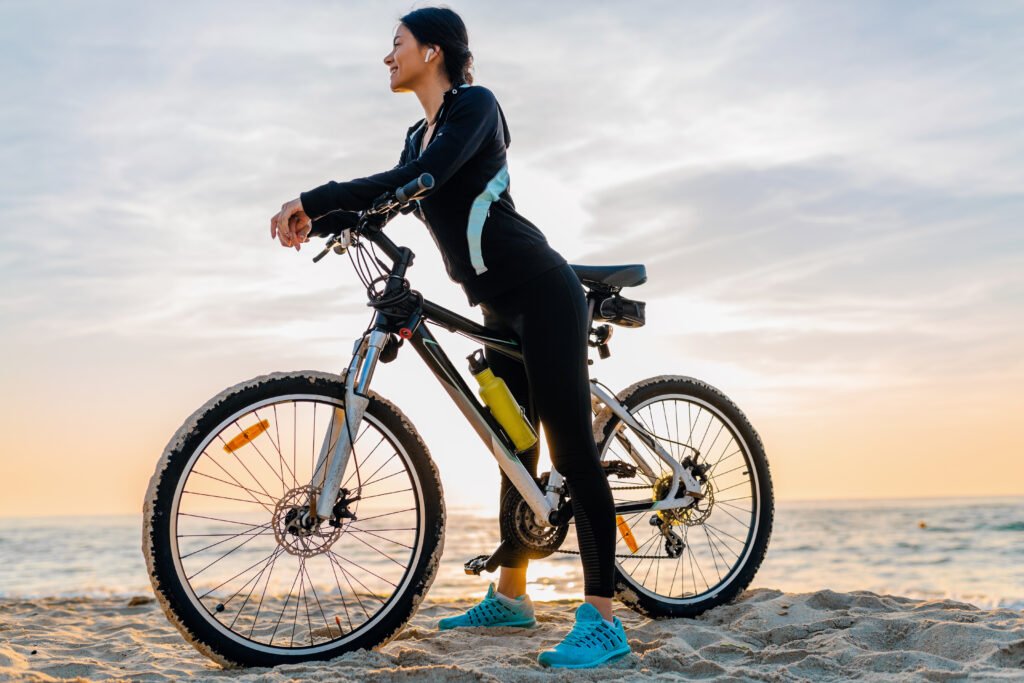
Table of Contents
Introduction
Cycling is one of those rare activities that feels less like a workout and more like a reward. It is Just a bicycle, a motivation and willingness to move forward. Whether you are cycling through quiet streets at sunrise or riding after a long day to clear your mind, cycling naturally blends fitness, freedom and fun.
In today’s world, where sedentary lifestyles and screen time dominate our daily routines, cycling offers a refreshing escape. It moves you toward better health without overwhelming your body or mind. It is practical, sustainable and enjoyable for people of all ages.

Cycling as a Lifestyle Choice
Cycling often begins as an activity, but it slowly evolves into a lifestyle. At first, it may be a way to stay active or commute short distances. Over time, it becomes a habit that shapes daily decisions, schedules and even mindset. You start planning routes, noticing the weather more closely and feeling a sense of accomplishment after every ride.
What makes cycling unique is that how it integrates into everyday life. You can ride to work, to the store or simply around the neighborhood. There is no strict rule book. This flexibility makes cycling easy to stick with, which is one of the biggest challenges in maintaining a healthy lifestyle.
Cycling also promotes balance. It encourages you to slow down, breathe, and reconnect with your surroundings. Physical Health Benefits of Cycling

Physical Health Benefits of Cycling
Cycling is a full-body workout, while your legs do most of the work, the rest of your body plays a vital supporting role. Your core stabilizes you, your arms help steer and balance and your cardiovascular system works continuously to supply oxygen to your muscles.
Regular cycling strengthens the heart and improves blood circulation, reducing the risk of heart disease and high blood pressure. It enhances lung capacity and boosts endurance, making everyday activities feel easier over time. Because cycling is a low-impact exercise, it is gentle on the joints, making it suitable for people who may struggle with high-impact workouts like running.
Another major advantage is consistency. Since cycling is enjoyable, people are more likely to stick with it long-term. That consistency leads to lasting health benefits, including improved muscle tone, better stamina and overall physical resilience.

Cycling for Weight Management and Fat Loss
Weight management does not have to involve exhausting workouts or extreme diets. Cycling offers a sustainable way to burn calories while enjoying the process. Depending on speed, terrain, and duration, cycling can burn a significant number of calories without putting excessive strain on the body.
One of the reasons cycling is effective for fat loss is that it allows longer exercise sessions. You can ride for 30 minutes or even a few hours without feeling drained, especially at a moderate pace. This extended activity helps your body tap into fat stores for energy while improving metabolism.
Cycling also builds lean muscle, particularly in the legs and glutes. Muscle tissue burns more calories at rest, which supports long-term weight management. When combined with balanced nutrition, cycling becomes a powerful and natural tool for maintaining a healthy weight.
Mental Health Benefits of Cycling
Cycling does not just strengthen the body it refreshes the mind. The rhythmic motion of pedaling, combined with steady breathing, creates a calming effect that reduces stress and mental fatigue.
Spending time outdoors while cycling boosts mood by increasing exposure to natural light and fresh air. This helps regulate sleep patterns and improves overall emotional balance. Cycling also stimulates the release of endorphins, often referred to as “feel-good hormones,” which naturally elevate mood and reduce anxiety.
For people dealing with stress, burnout, or emotional pressure, cycling offers a healthy outlet. It provides space to think, reflect, or simply disconnect from daily worries. Even a short ride can leave you feeling clearer, calmer and more focused.
Cycling and Heart Health
Heart health is one of the most significant benefits of cycling. As an aerobic exercise, cycling increases heart rate and strengthens the heart muscle over time. This leads to improved circulation and more efficient oxygen delivery throughout the body.
Regular cycling helps lower bad cholesterol levels while increasing good cholesterol. It also assists in regulating blood sugar levels, reducing the risk of type 2 diabetes. Over time, consistent cycling can significantly reduce the risk of cardiovascular diseases.
What makes cycling especially effective is that it can be adjusted to any fitness level. Whether you are cycling slowly on flat roads or tackling hills at a faster pace, your heart benefits from the effort.

Cycling for All Ages and Fitness Levels
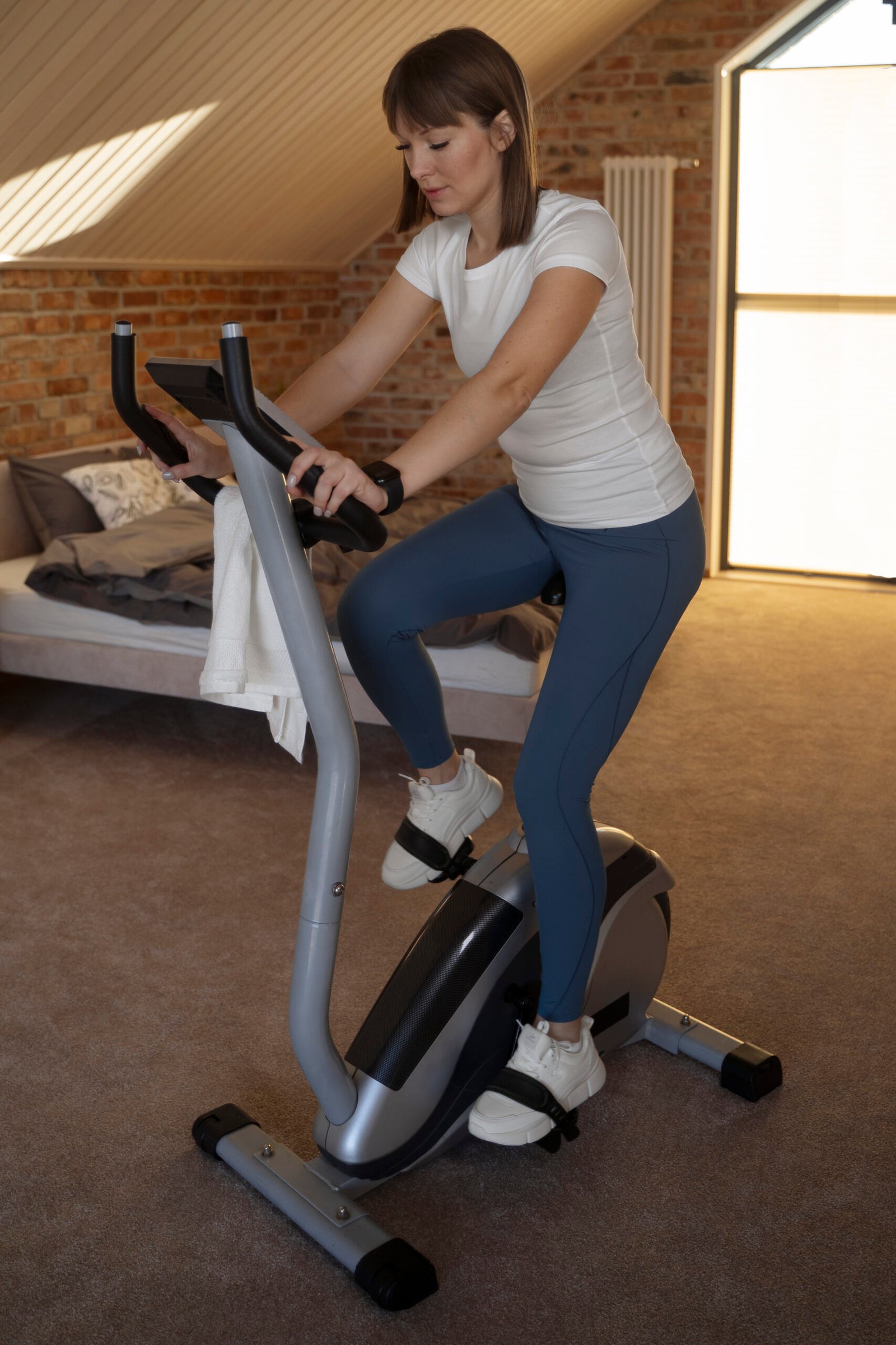
One of the most beautiful aspects of cycling is its inclusivity. It does not matter if you are young, older, fit, or just starting your health journey, cycling meets you where you are. You can ride fast or slow, short or long distances, indoors or outdoors.
For adults, cycling helps maintain mobility, balance and muscle strength without stressing the joints. For younger people, it builds endurance, coordination and healthy habits early in life. Families can ride together, making cycling a shared activity that strengthens bonds.

How Cycling Improves Daily Energy Levels
Many people assume exercise will make them tired, but cycling often has the opposite effect. Regular cycling improves oxygen flow, boosts circulation and enhances overall stamina. This leads to increased energy levels throughout the day.
Cycling provides a natural energy boost. Morning rides can leave you feeling alert and focused, while evening rides help release tension built up during the day.
Cycling as a Stress-Relief Tool
Cycling offers a healthy way to release tension without distractions. When you ride, your focus shifts from worries to movement, breath and balance.
The act of being in motion helps clear mental clutter. Problems feel smaller, thoughts become organized and emotions settle naturally. Even a short ride can reset your mood and perspective.
Cycling actively engages both body and mind, making it one of the most effective ways to manage daily stress.
Environmental Benefits of Cycling
Choosing to cycle does not just benefit your health, it helps the planet too. Cycling produces zero emissions, reduces traffic congestion and lowers noise pollution. Every ride replaces a potential car trip, contributing to cleaner air and a healthier environment.
As cities grow and environmental concerns increase, cycling offers a sustainable solution. It requires minimal resources, supports eco friendly living and promotes greener communities.
By cycling regularly, you become part of a larger movement toward a healthier planet and a more balanced way of living.

Cycling and Long-Term Health
The long term benefits of cycling go beyond immediate fitness gains. Regular cycling reduces the risk of chronic illnesses such as heart disease, obesity, diabetes, knee pain and certain mental health conditions.
It also supports healthy aging. Cycling maintains muscle strength, joint mobility, and cardiovascular health, helping people stay active and independent later in life. Because it is enjoyable, people are more likely to continue cycling well into older age.
Consistency is the key to long-term health, and cycling makes consistency achievable.
How to Make Cycling a Daily Habit
Turning cycling into a habit does not require drastic changes. Start small. Short rides a few times a week are enough to build momentum. Choose routes you enjoy and focus on how cycling makes you feel rather than performance.
Some days you may ride longer, other days shorter and that is okay. The goal is consistency, not perfection.
Once cycling becomes part of your routine, it feels less like effort and more like a natural part of your day.

Common Myths About Cycling
Many people believe cycling is only for athletes or requires expensive gear. In reality, cycling is accessible to almost everyone. You don not need a high end bike or professional equipment to enjoy the benefits.
Another common myth is that cycling is not effective for fitness. In truth, cycling is one of the most efficient forms of exercise, offering both physical and mental benefits when done regularly.
Breaking these myths opens the door for more people to experience the joy of cycling.
Why Cycling Is One of the Best Exercises for a Healthier Life
Cycling stands out because it combines so many benefits into one simple activity. It strengthens the body, clears the mind, supports emotional balance and encourages sustainable living.
You can cycle alone or with others, indoors or outdoors, for fitness or leisure. Few activities offer this level of flexibility and long-term value.
Conclusion
Cycling is more than a form of exercise, it is a gateway to a healthier, happier life. It supports physical fitness, mental clarity, emotional balance and environmental responsibility. Best of all, it’s enjoyable and sustainable.
Whether you are looking to improve your health, reduce stress or simply add more movement to your day, cycling offers a simple and powerful solution. One ride can change your mood. A habit can change your life.
So grab a bike, start pedaling and let cycling guide you toward a healthier future.
FAQs About The Ultimate Guide to Benefits for a Healthier Life
1. Is cycling good for daily health?
Yes, cycling daily improves cardiovascular health, fitness, joint pains and mental well-being.
2. How long should I cycle for health benefits?
Even 20–30 minutes a day can provide noticeable health improvements.
3. Is cycling suitable for beginners?
Absolutely. Cycling is beginner-friendly and easy to adapt to any fitness level.
4. Can cycling replace gym workouts?
For many people, cycling provides enough physical and mental benefits to replace traditional gym routines.
5. Does cycling really reduce stress?
Yes, cycling is highly effective at reducing stress and improving mood naturally.
Pingback: Yoga in the Age of AI: Can Technology, you Find Inner Peace?