
The Ultimate Guide to Choosing the Right AI Fitness App for Home Workouts
Master your home fitness journey with our ultimate guide to choosing the right AI fitness app for home workouts. Learn about adaptive coaching, real time form correction and finding the perfect digital trainer for your goals.
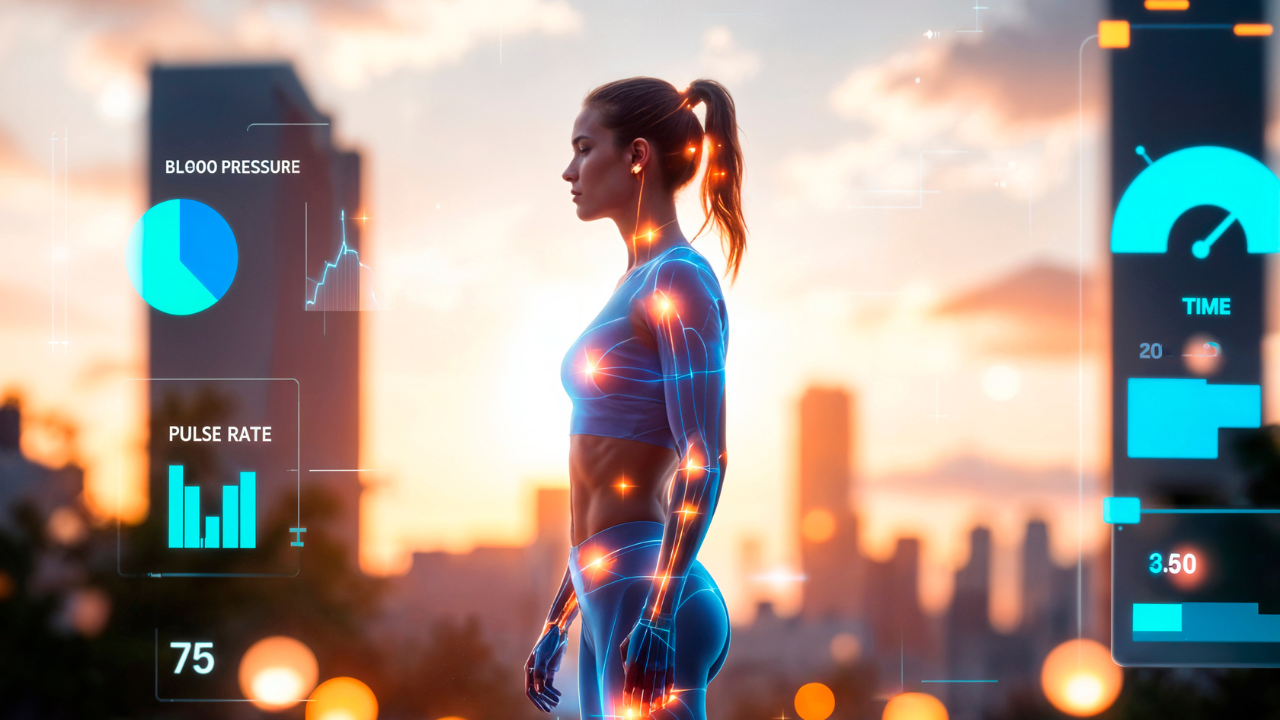
Table of Contents
Introduction
The fitness landscape has been shifted, Choosing the Right AI Fitness App for home workouts, we have moved past the era of generic workout DVDs and static PDF plans.
The power of a world class personal trainer has been condensed into a few lines of code and a sleek mobile interface. But with hundreds of apps claiming to be “AI-powered,” how do you separate the high-tech helpers from the glorified timers?
Choosing the right AI fitness app for home workouts is not about picking the one with the best marketing, it is about finding the algorithm that speaks your body’s language.
Why Choosing the right AI fitness app is the Future of Home Workouts
Choosing the right AI fitness app for home workouts is a game changer because it finally solves the “human” problems that stop us from reaching our goals. Here is why it is better than anything that came before.
Dynamic Personalization, AI adjusts your reps and sets based on how you performed yesterday, not just a pre set schedule.
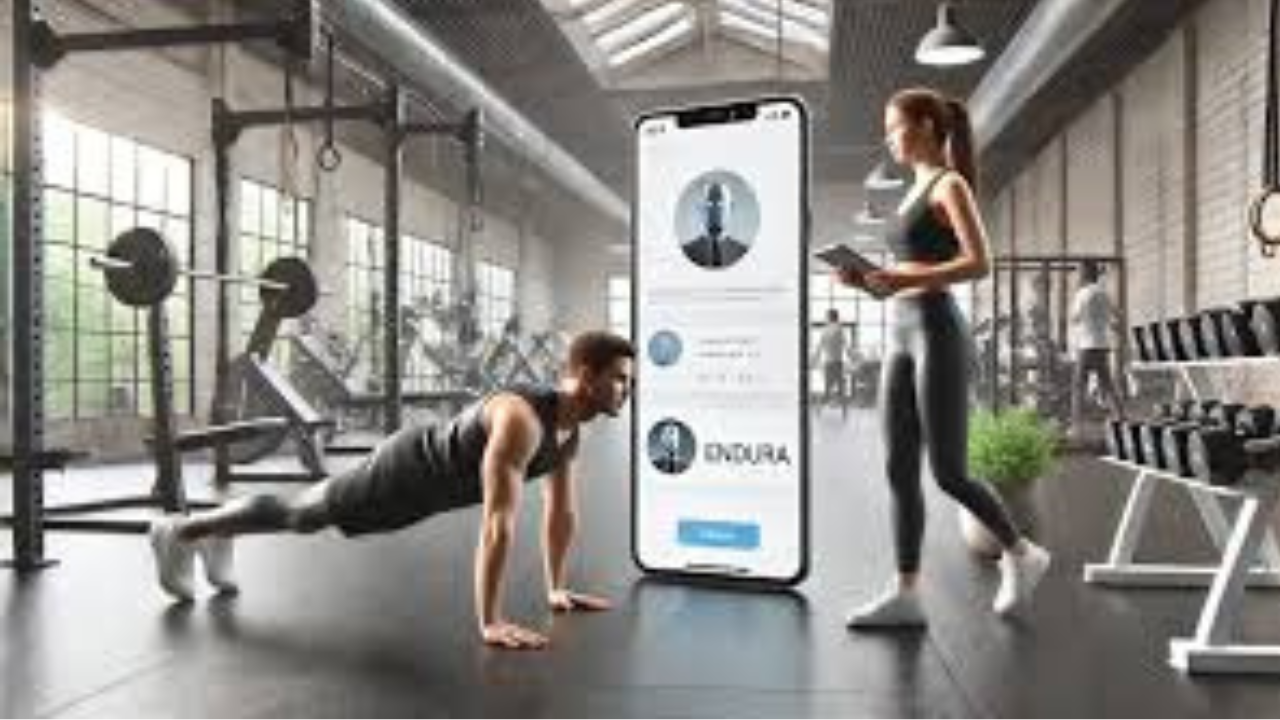
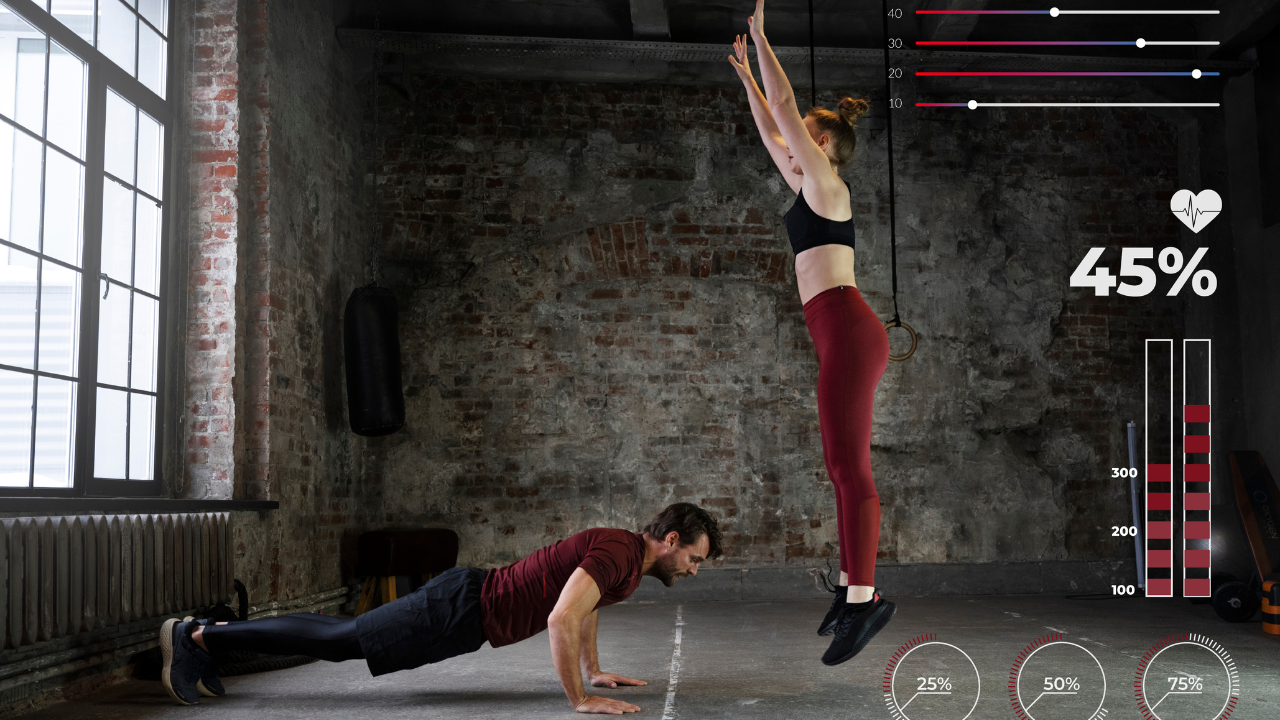
Real-Time Injury Prevention, Using your phone’s camera, modern apps detect if your knees are caving during a squat, providing instant corrective feedback.
Maximum Efficiency, AI eliminates “decision fatigue” by building a science-backed routine in seconds, ensuring every minute you spend on the mat counts.
Bio-Data Integration, These apps sync with your sleep and recovery data (from Oura ring, Whoop, or Apple Watch) to ensure you are not overtraining on a low energy day.
1. Define Your Primary Objective (The Specialist vs. The Generalist)
The first mistake most people make is picking a popular app without checking its specialty. Choosing the right AI fitness app for home workouts, AI algorithms are built on specific data sets. A “jack of all trades” app is rarely the master of any.
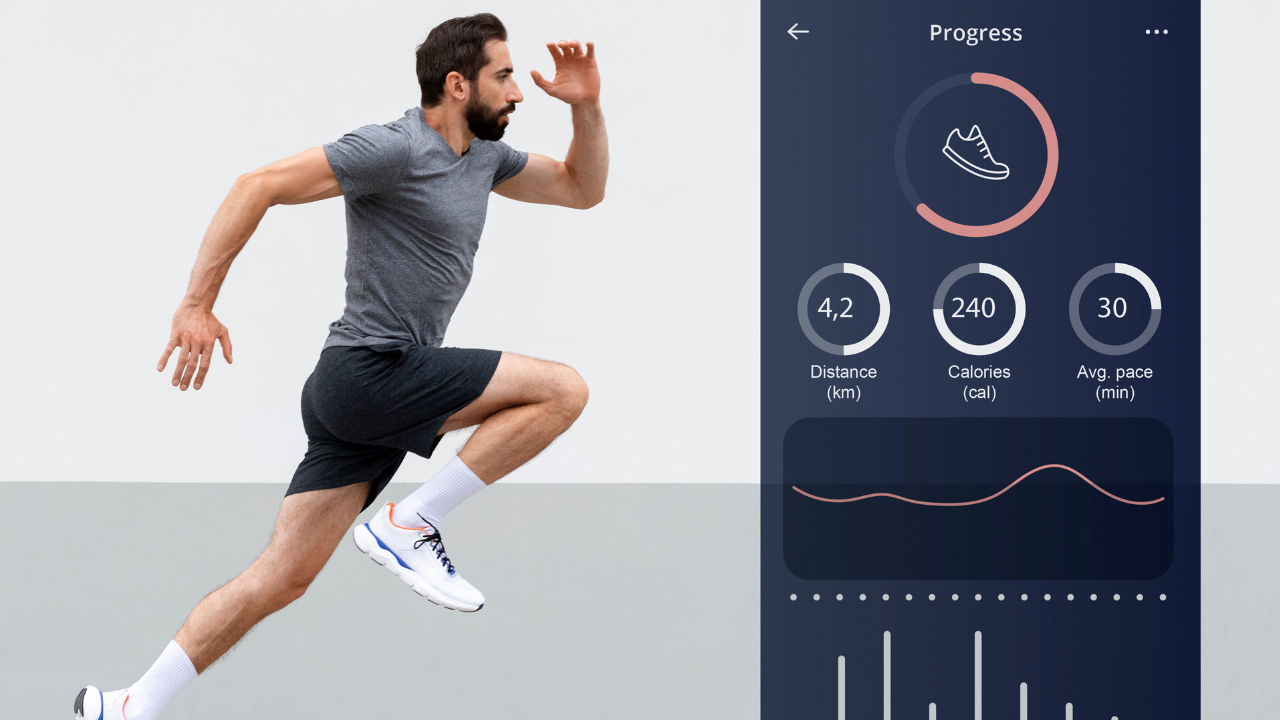
For the Strength Seeker: If your goal is lean muscle, you need an app that understands Progressive Overload. Apps like Fitbod or Jefit are the gold standard here. They calculate exactly how much weight you should lift next based on your previous performance, ensuring you never plateau.
For the HIIT & Weight Loss Warrior: If you want to sweat and burn calories, look for Freeletics or Zing Coach. Choosing the right AI fitness app to create high intensity circuits that adapt to your heart rate in real time.
For the Yoga and Mobility Enthusiast: If you are focused on flexibility, you need an app with Computer Vision. This technology acts as a digital mirror, ensuring your “Warrior II” is perfectly aligned.
2. The "AI Depth" Check: Computer Vision vs. Adaptive Logic
Not all AI is created equal. Some apps use basic logic (if you did 10 reps, do 11 next time), while others use deep neural networks.
Adaptive Logic: This is the brain of the app. It analyzes your workout logs to adjust future sessions. It is excellent for strength training where progress is measured in numbers.
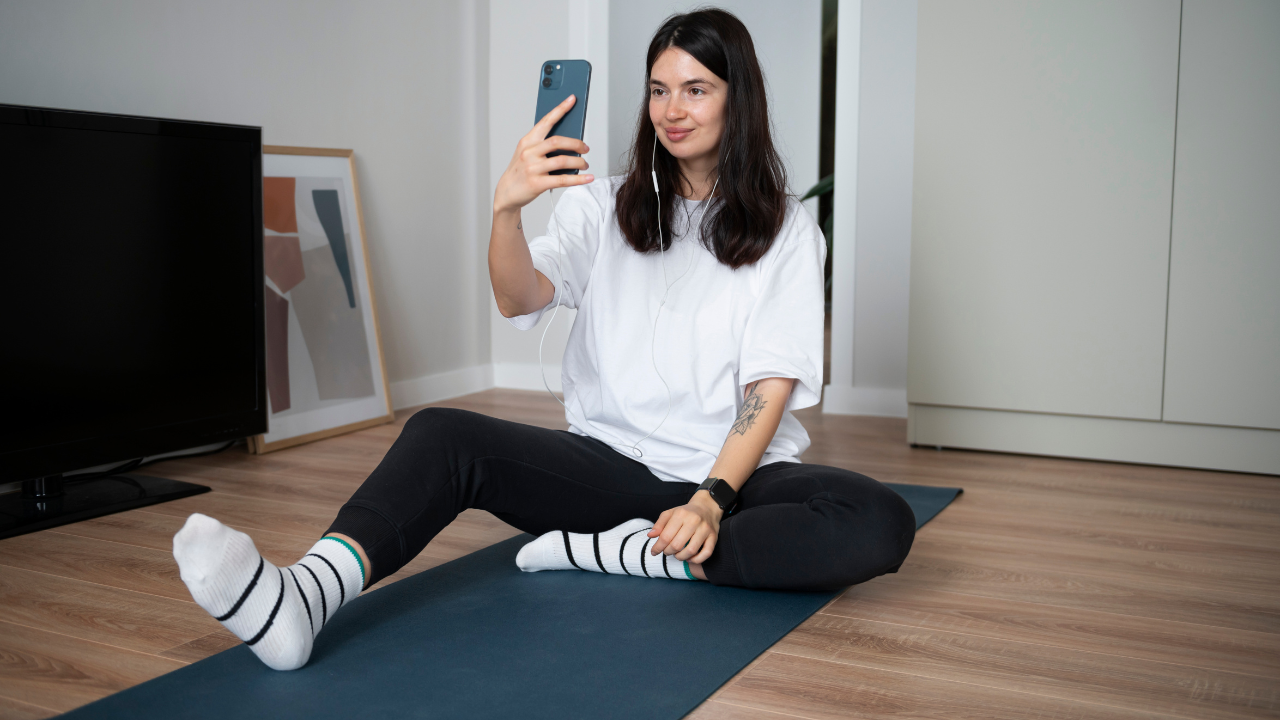
Choosing the right AI fitness app for home workouts Computer Vision (Vision AI): This is the “eye” of the app. Apps like Zing or Century AI use your phone’s camera to track your joints. This is a “must-have” feature if you are a beginner working out alone, as it provides the form correction a human trainer usually would.
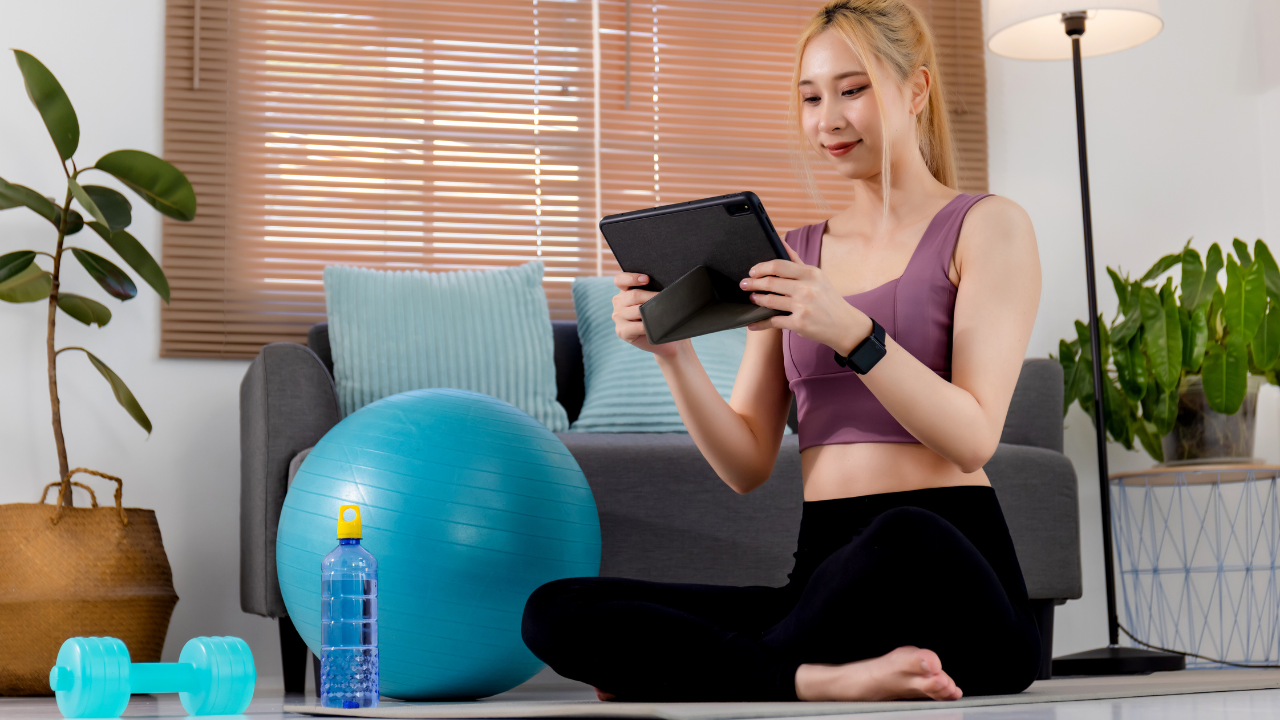
3. Equipment Inventory: Does the App Know Your Gear?
One of the biggest frustrations with home workouts is an app suggesting an exercise you can not do because you do not have the equipment.
A high-quality AI app will have an Equipment Inventory feature. You should be able to tell the app: “I only have a pair of 10lb dumbbells and a chair.” The AI should then instantly recalculate your entire 12 week plan to work within those constraints. If an app tries to force you into a “Barbell Deadlift” when you have told it you only have kettlebells, it is not true AI it is just a list.
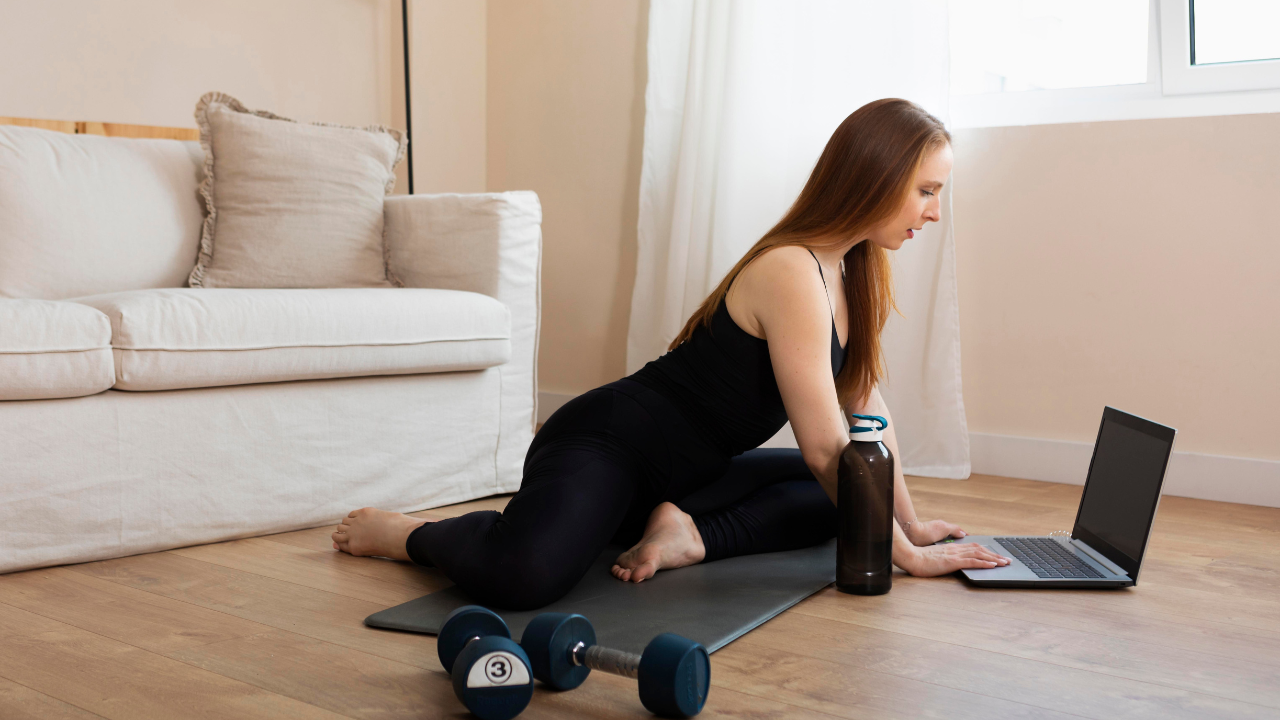
4. Bio-Syncing: The Secret to Long-Term Consistency by Choosing the right AI fitness app for home workouts
The most advanced trend is Bio-Syncing. We are humans, not machines. Our energy levels fluctuate based on sleep, stress and (for women) hormonal cycles.
Choosing the right AI fitness app for home workouts should sync with your wearables. If your Heart Rate Variability (HRV) is low because you had a stressful work day, a “smart” app will automatically scale your 45 minute HIIT session down to a 20-minute restorative flow. This prevents burnout and injury, which are the two biggest reasons people quit home fitness. Apps like Wild.AI lead the market here by tailoring intensity to physiological shifts.
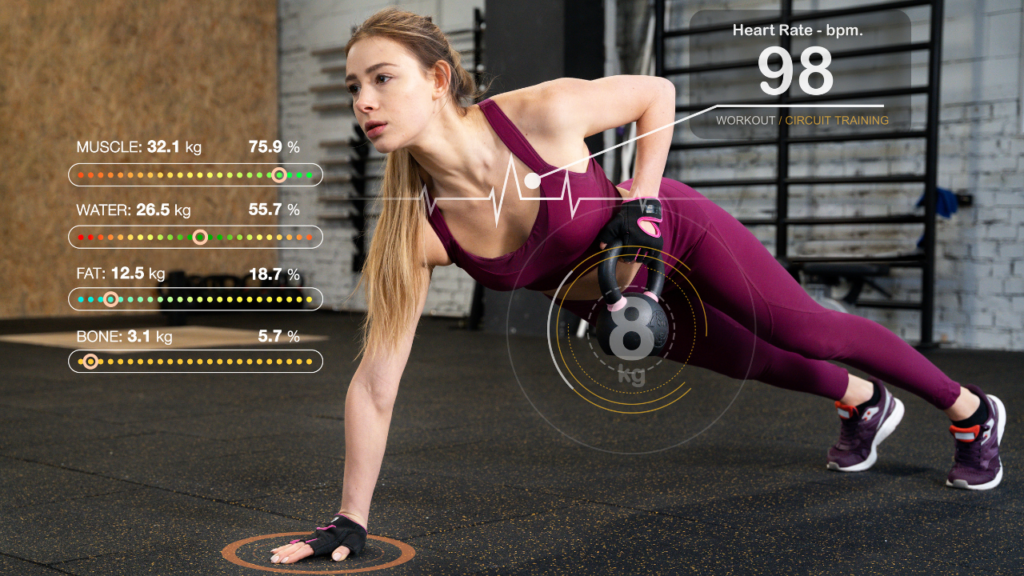
5. The "Human-Tech" Balance (Accountability)
Finally, consider how much “human” you need in your AI. Some people thrive on pure data, while others need a nudge from a real person.
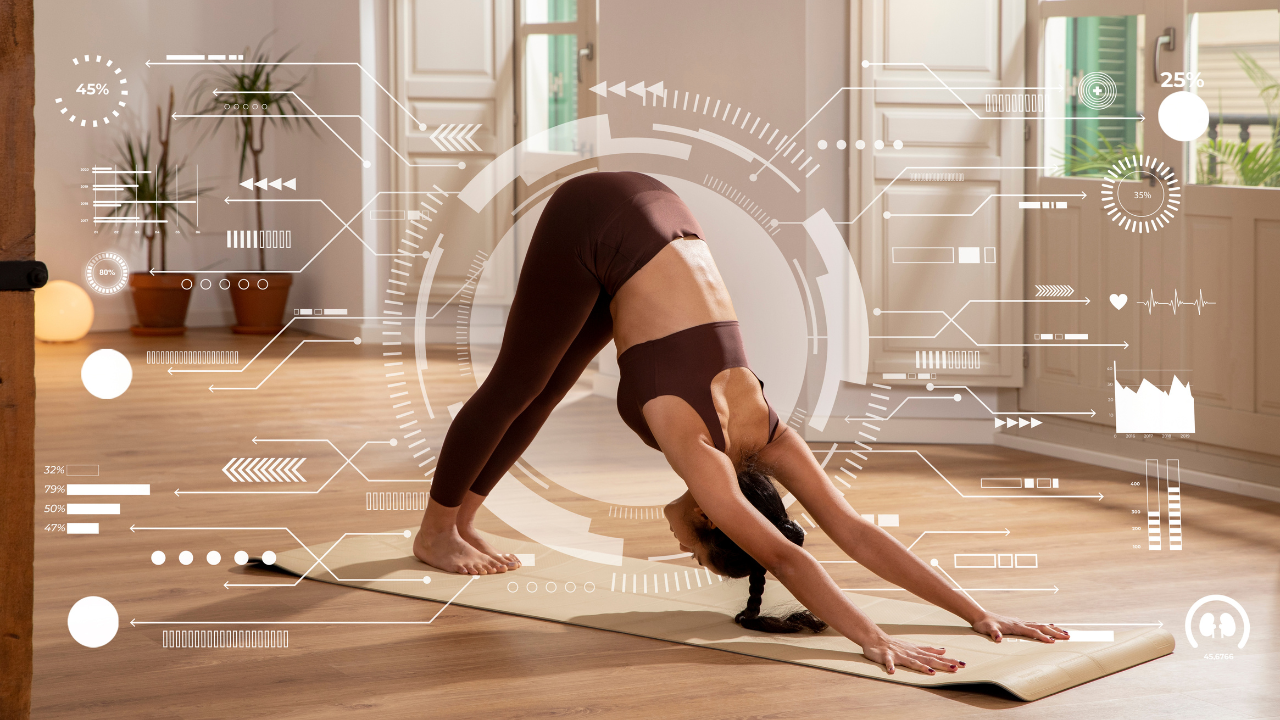
Pure AI: Best for self-starters who just want the best plan possible for a low price.
Hybrid AI (The Future Model): Apps like Future or Caliber pair you with a human coach who uses AI tools to monitor you. You get the precision of the algorithm with the emotional support and “no-excuses” accountability of a human. If you have struggled to stay motivated in the past, the hybrid model is worth the extra investment.
Conclusion
Choosing the right AI fitness app for home workouts is about creating a path of least resistance. The best app for you is the one that removes all the friction between “thinking about working out” and “actually sweating. The technology has finally caught up to our fitness ambitions. By prioritizing personalization, equipment compatibility and the depth of the AI coaching, you can transform your home into a powerhouse of health.
The AI provides the map, but you are the one who has to walk the path. Choose your digital partner wisely and let the results follow.
(FAQs) About The Ultimate Guide to Choosing the Right AI Fitness App for Home Workouts
1. Is an AI app really as good as a real trainer?
For exercise selection and data tracking, yes. For emotional motivation and spotting heavy lifts, a human is still superior.
2. Can I use these apps if I have a chronic injury?
Most top tier AI apps have an “injury toggle,” but you must consult a doctor first.
3. Do I need the latest phone for form correction?
“Vision AI” works best on phones from the last 2–3 years due to the processing power required.
4. How much should I expect to pay for a good AI app?
Expect to pay between $12 and $30 per month for a high-quality, fully adaptive AI experience.
5. Will the AI tell me what to eat?
Many apps include nutrition advice, but it is usually general guidance rather than a strict medical meal plan.
6. Do I need a smartwatch to use these apps?
It is not mandatory, but it helps the AI immensely by providing the recovery data needed to adjust your workouts.
7. Can AI apps help with yoga or Pilates?
Yes! Specific AI apps for posture can track your alignment better than a crowded gym class.
8. What happens if I miss a few days?
A true AI app won’t “punish” you; it will automatically recalibrate your plan to ease you back in safely.
9. Can I share my subscription with family members?
Usually no, because the AI is tuned to your specific bio-data. Sharing a profile will confuse the algorithm.
10. Is the camera-tracking "Computer Vision" safe for my privacy?
Most reputable apps process the video “on-device,” meaning your video is not sent to a server, only the data points of your joints are analyzed.