

Master your home fitness journey with our ultimate guide to choosing the right AI fitness app for home workouts. Learn about adaptive coaching, real time form correction and finding the perfect digital trainer for your goals.
Table of Contents
Introduction
The global fitness landscape has undergone a massive transformation, moving far past the outdated era of generic workout DVDs, rigid group classes and static PDF training sheets.
Today, Choosing the Right AI Fitness App for Home Workouts allows you to condense the expertise of a world class personal trainer into an intelligent mobile interface right in your living room. Rather than following a one size fits all video, artificial intelligence analyzes your movement patterns, tracks your real time fatigue and continuously adjusts your exercise selection to fit your exact fitness level.
However, with hundreds of applications now marketing themselves as “smart trainers,” it can be challenging to distinguish high tech coaching tools from basic digital timers.
Successfully Choosing the Right AI Fitness App for Home Workouts is not about picking the platform with the flashiest marketing campaign or the highest number of social media downloads, it is about discovering an algorithm that truly understands your body’s unique needs.
A genuine AI coach adapts to your specific equipment setup, respects your joint limitations and calculates your personal recovery rates after every session.
By prioritizing intelligent personalization over clever branding, Choosing the Right AI Fitness App for Home Workouts ensures that every home training session pushes you toward real, sustainable progress while keeping your routines engaging, safe and completely tailored to your lifestyle.
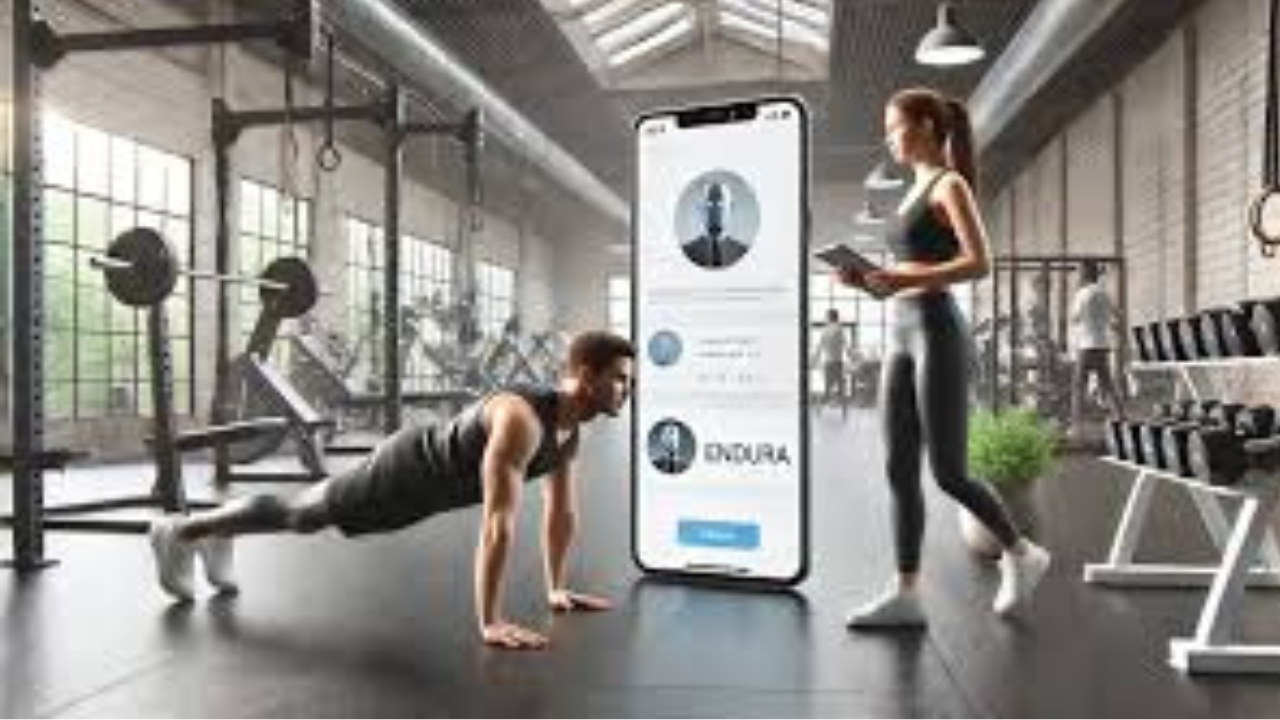
Why Choosing the right AI fitness app is the Future of Home Workouts
Choosing the Right AI Fitness App for Home Workouts represents a monumental shift in personal health because it directly addresses the psychological and physical hurdles that so often stall our fitness journeys.
Traditional home workout routines frequently fail due to a lack of accountability, plateauing results or the sheer frustration of trying to follow a pre recorded trainer who cannot see when you are struggling or performing an exercise incorrectly.
By contrast, an intelligent digital platform acts as a dynamic partner, using real time motion tracking and data feedback to correct your form, adjust rep counts and modify weight recommendations on the spot.
This level of immediate customization eliminates guesswork, keeping you consistently challenged while removing the risk of overtraining or injury.
Ultimately, Choosing the Right AI Fitness App for Home Workouts is a total game changer because it seamlessly integrates elite, professional grade coaching directly into your daily routine without the massive price tag or rigid scheduling of in person training.
Whether you have twenty minutes between business calls or an hour on the weekend, these intelligent platforms adjust your programming to match your current energy levels, equipment access and daily schedule.
When you commit to Choosing the Right AI Fitness App for Home Workouts, you are no longer relying on motivation alone you are empowering yourself with a adaptive system that learns your habits, celebrates your milestones and ensures every single home workout brings you closer to your long term goals.
Dynamic Personalization: AI adjusts your reps and sets based on how you performed yesterday, not just a pre set schedule.
Real Time Injury Prevention: Using your phone’s camera, modern apps detect if your knees are caving during a squat, providing instant corrective feedback.
Maximum Efficiency: AI eliminates “decision fatigue” by building a science backed routine in seconds, ensuring every minute you spend on the mat counts.
Bio-Data Integration: These apps sync with your sleep and recovery data (from Oura ring, Whoop, or Apple Watch) to ensure you are not overtraining on a low energy day.
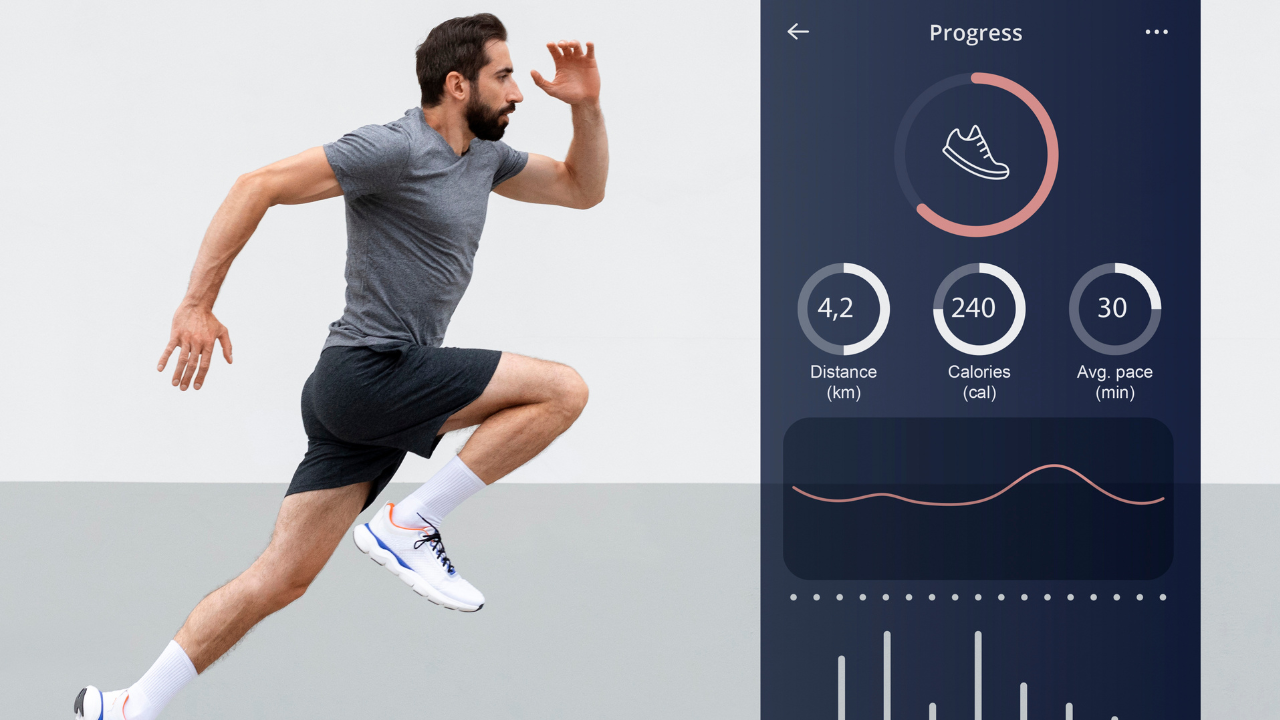
1. Define Your Primary Objective (The Specialist vs. The Generalist)
The single biggest mistake most people make when starting their digital training journey is downloading a trending app without checking its underlying specialty. When Choosing the Right AI Fitness App for Home Workouts, you must understand that artificial intelligence algorithms are built on very specific data sets designed for targeted outcomes.
An app engineered primarily for heavy resistance training and progressive overload calculates recovery and set volume using a completely different model than one built for cardio conditioning, bodyweight calisthenics or mobility work.
Selecting a generic “jack of all trades” platform often leads to mediocre results because its algorithms try to cater to everyone at once rather than mastering the specific biological principles required for your exact goal.
To get the most out of your training, Choosing the Right AI Fitness App for Home Workouts requires aligning your primary fitness objective whether that is building muscle, losing body fat, improving flexibility or mastering yoga with an app specifically trained in that domain.
Specialist apps use highly refined motion tracking and load calculation models tailored to their chosen field, giving you precise feedback on your technique and rep pacing. By prioritizing clarity on what you want to achieve, Choosing the Right AI Fitness App for Home Workouts ensures that you receive a truly intelligent, expert level training plan that maximizes your time, prevents training plateaus and delivers consistent progress right from your living room.
For the Strength Seeker: If your goal is lean muscle, you need an app that understands Progressive Overload. Apps like Fitbod or Jefit are the gold standard here. They calculate exactly how much weight you should lift next based on your previous performance, ensuring you never plateau.
For the HIIT & Weight Loss Warrior: If you want to sweat and burn calories, look for Freeletics or Zing Coach. Choosing the right AI fitness app to create high intensity circuits that adapt to your heart rate in real time.
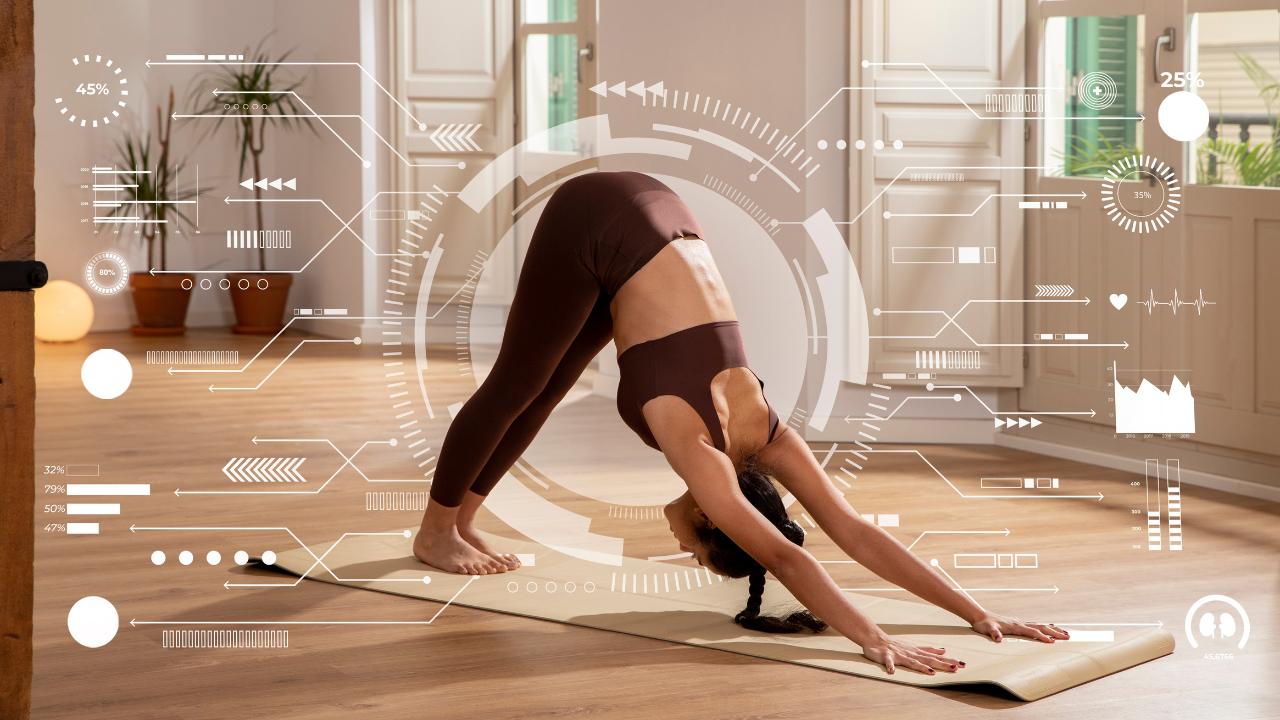
For the Yoga and Mobility Enthusiast: If you are focused on flexibility, you need an app with Computer Vision. This technology acts as a digital mirror, ensuring your “Warrior II” is perfectly aligned.
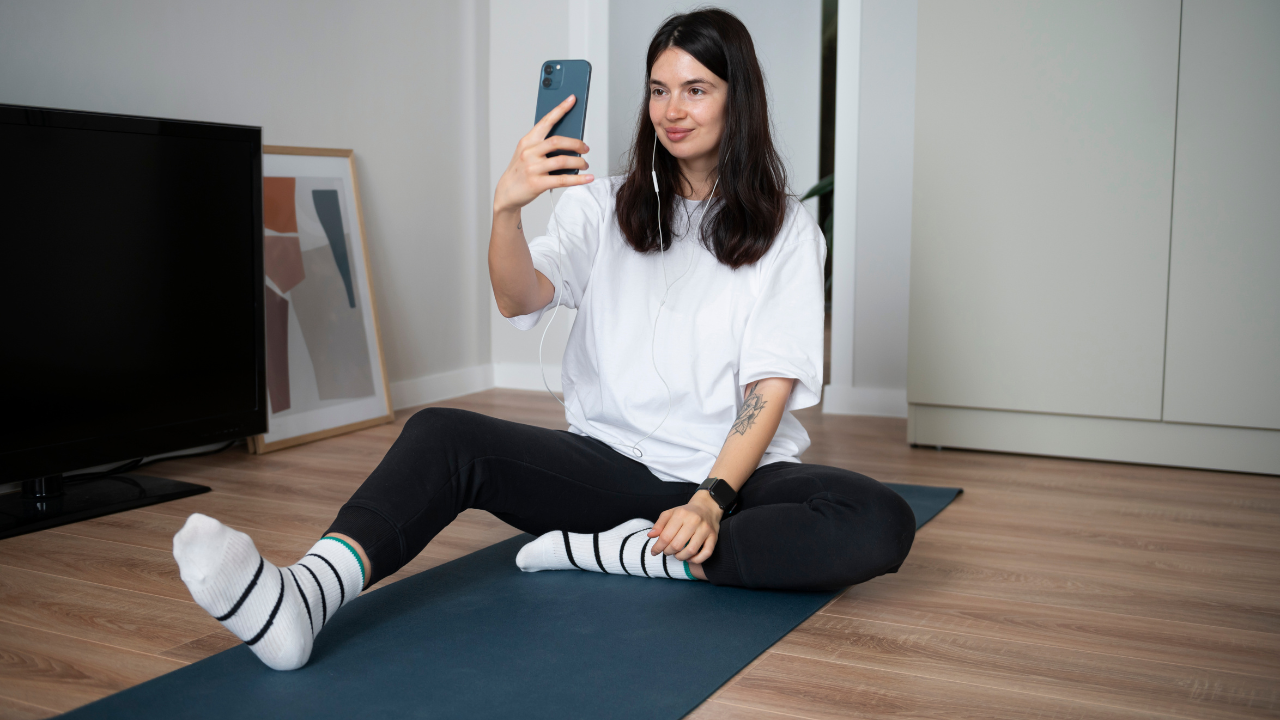
2. The "AI Depth" Check: Computer Vision vs. Adaptive Logic
Not all AI is created equal. Some apps use basic logic (if you did 10 reps, do 11 next time), while others use deep neural networks.
Adaptive Logic: This is the brain of the app. It analyzes your workout logs to adjust future sessions. It is excellent for strength training where progress is measured in numbers.
Choosing the right AI fitness app for home workouts Computer Vision (Vision AI): This is the “eye” of the app. Apps like Zing or Century AI use your phone’s camera to track your joints. This is a “must-have” feature if you are a beginner working out alone, as it provides the form correction a human trainer usually would.
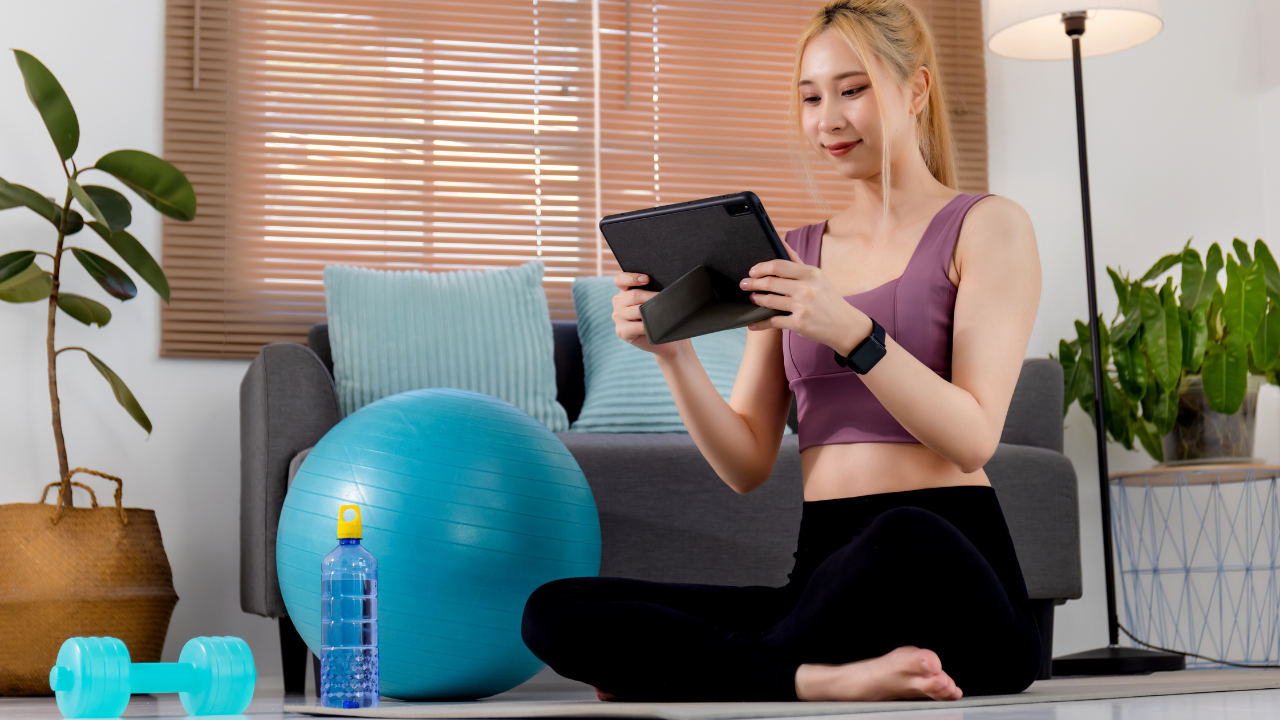
3. Equipment Inventory: Does the App Know Your Gear?
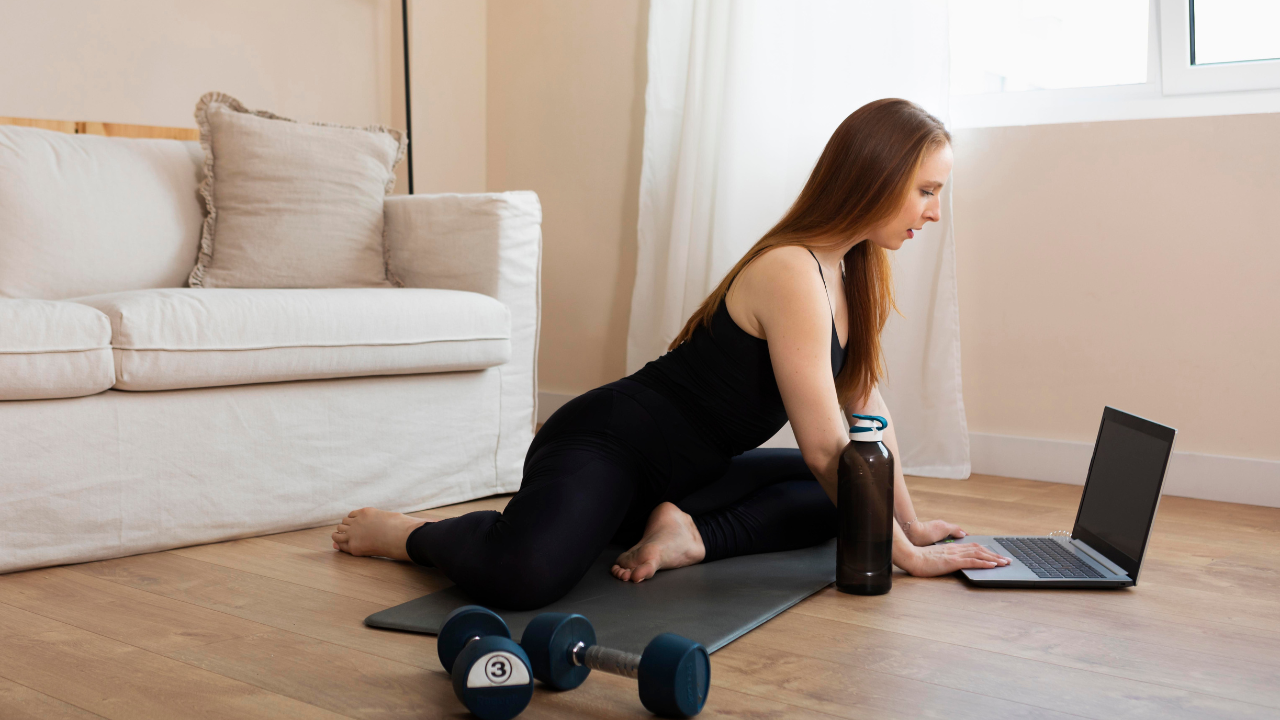
One of the biggest frustrations with home workouts is an app suggesting an exercise you can not do because you do not have the equipment.
A high quality AI app will have an Equipment Inventory feature. You should be able to tell the app: “I only have a pair of 10lb dumbbells and a chair.” The AI should then instantly recalculate your entire 12 week plan to work within those constraints. If an app tries to force you into a “Barbell Deadlift” when you have told it you only have kettlebells, it is not true AI it is just a list.
4. Bio-Syncing: The Secret to Long Term Consistency by Choosing the right AI fitness app for home workouts
The most advanced trend is Bio-Syncing. We are humans, not machines. Our energy levels fluctuate based on sleep, stress and (for women) hormonal cycles.
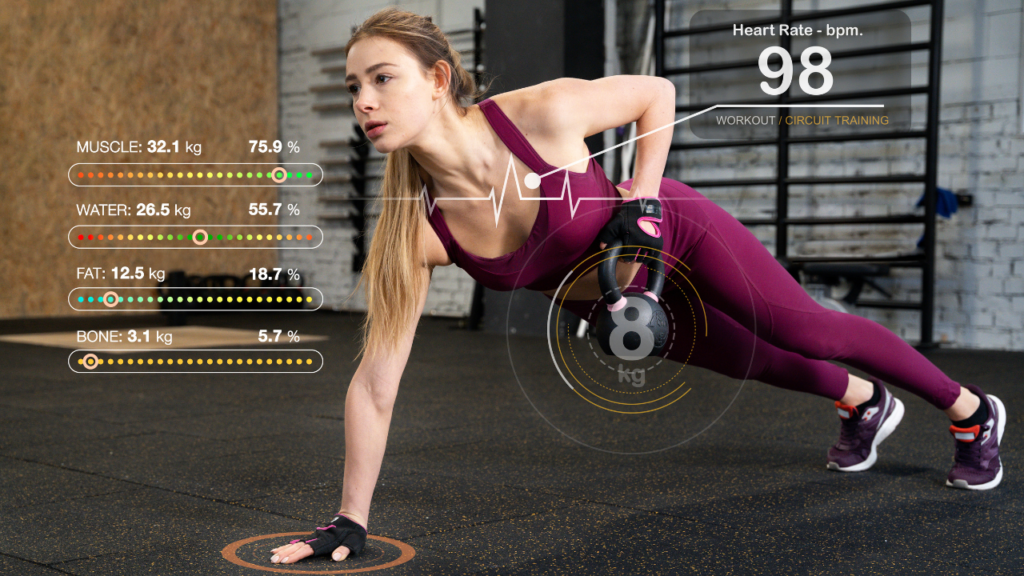
Choosing the right AI fitness app for home workouts should sync with your wearables. If your Heart Rate Variability (HRV) is low because you had a stressful work day, a “smart” app will automatically scale your 45 minute HIIT session down to a 20-minute restorative flow. This prevents burnout and injury, which are the two biggest reasons people quit home fitness. Apps like Wild.AI lead the market here by tailoring intensity to physiological shifts.
5. The "Human-Tech" Balance (Accountability)
Finally, when it comes to staying consistent over the long haul, you must carefully consider how much of a “human element” you truly need paired with your technology. When Choosing the Right AI Fitness App for Home Workouts, understanding your personal motivation style is critical to long term success.
Some individuals thrive purely on objective data, sleek graphs and automated push notifications that celebrate hit targets and streaks. For self motivated exercisers, seeing precise metrics update in real time provides all the psychological drive necessary to roll out the mat and complete a session every single day.
However, for many others, cold data alone is not enough to get off the couch when fatigue or a busy work schedule sets in. In those moments, Choosing the Right AI Fitness App for Home Workouts means looking for platforms that bridge the gap between artificial intelligence and genuine human connection.
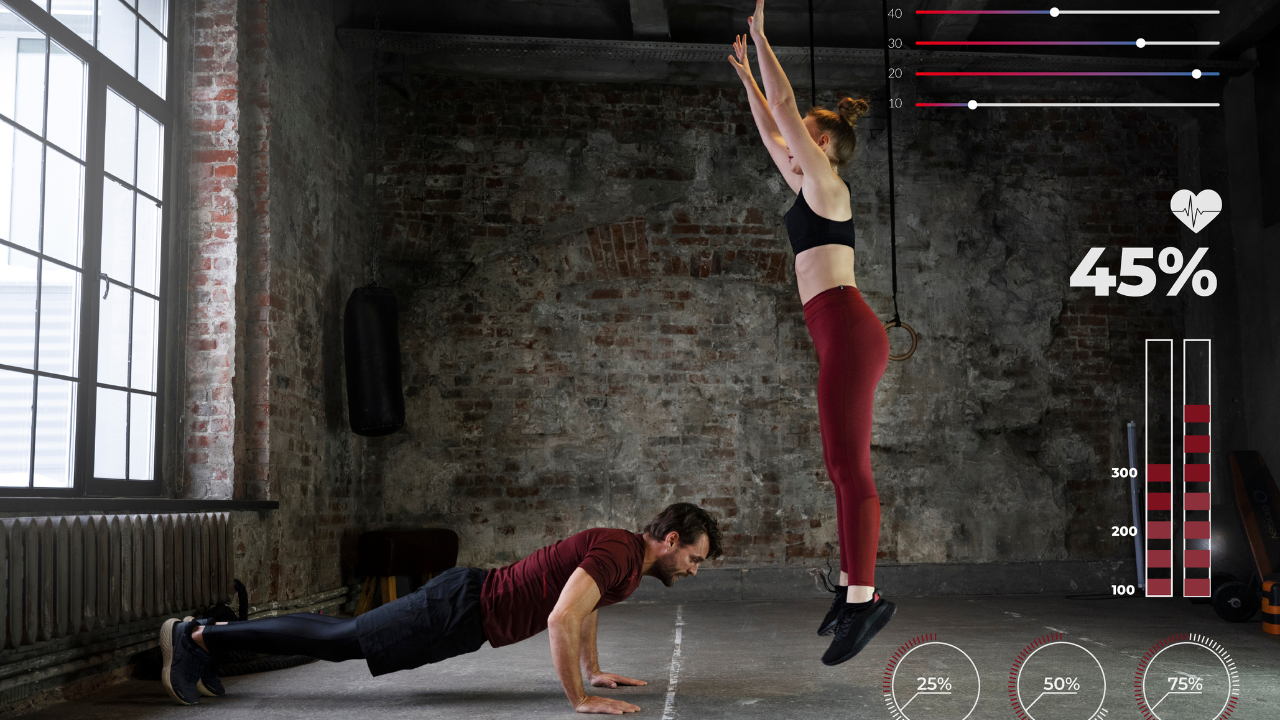
Many top tier modern apps now offer hybrid models that pair adaptive AI workout generation with access to certified human coaches who review your form, offer words of encouragement and check in when you miss a scheduled workout.
By recognizing whether you need pure algorithmic precision or a supportive coach in your corner, Choosing the Right AI Fitness App for Home Workouts ensures you build a sustainable routine backed by the exact level of accountability your mind and body need to stay on track.
Pure AI: Best for self-starters who just want the best plan possible for a low price.
Pure AI platforms are the ideal choice for disciplined self starters who simply want an optimized, highly effective training routine at an accessible price point. When Choosing the Right AI Fitness App for Home Workouts, a fully automated platform provides precise metric tracking, dynamic weight recommendations and instant exercise adjustments without requiring high subscription fees.
For individuals who already possess strong intrinsic motivation and just need a clear, intelligent roadmap, pure AI offers a seamless experience that strips away unnecessary fluff and delivers structured, data driven home sessions on demand.
On the other hand, the emerging Hybrid AI model exemplified by platforms that combine smart algorithms with dedicated human coaches is rapidly proving to be the ultimate solution for long term consistency. Choosing the Right AI Fitness App for Home Workouts with a hybrid structure gives you the best of both worlds, the pinpoint biological precision of an algorithm combined with the empathy, encouragement and real time accountability of a live trainer.
If you have struggled in the past to maintain a routine when life gets busy, this model provides the gentle nudge and “no excuses” support needed to stay on track.
By recognizing whether you thrive on pure data or flourish with human connection, Choosing the Right AI Fitness App for Home Workouts ensures you invest in a platform that truly matches your personality, keeps you accountable and guarantees steady progress.
Conclusion
In the end, Choosing the Right AI Fitness App for Home Workouts is fundamentally about creating a path of least resistance between where you are today and the goals you want to achieve. The best app is never simply the one with the highest price tag, it is the platform that effortlessly removes every barrier between thinking about exercising and actually breaking a sweat in your living room.
Intelligent algorithms have finally caught up with our busiest lifestyle demands, turning smartphones into reactive, personalized training centers. By focusing on true algorithmic customization, seamless equipment compatibility and motion tracking form feedback, Choosing the Right AI Fitness App for Home Workouts allows you to convert any small space into an empowering, highly effective environment for sustainable health and strength.
Ultimately, while artificial intelligence can map out the ideal path, track your recovery and optimize your routine, you remain the driving force behind every repetition and every breakthrough. Your digital coach provides the intelligent roadmap, but you are the one who steps onto the mat and puts in the physical work.
Choosing the Right AI Fitness App for Home Workouts gives you a reliable, supportive partner that adapts to your body’s daily signals, celebrates your milestones and keeps you accountable through every phase of your journey.
Pick your digital partner wisely, stay consistent with your efforts, and enjoy watching your home routines translate into real world strength, confidence and lasting vitality.
(FAQs) About The Ultimate Guide to Choosing the Right AI Fitness App for Home Workouts
1. Is an AI app really as good as a real trainer?
For exercise selection and data tracking, yes. For emotional motivation and spotting heavy lifts, a human is still superior.
2. Can I use these apps if I have a chronic injury?
Most top tier AI apps have an “injury toggle,” but you must consult a doctor first.
3. Do I need the latest phone for form correction?
“Vision AI” works best on phones from the last 2–3 years due to the processing power required.
4. How much should I expect to pay for a good AI app?
Expect to pay between $12 and $30 per month for a high-quality, fully adaptive AI experience.
5. Will the AI tell me what to eat?
Many apps include nutrition advice, but it is usually general guidance rather than a strict medical meal plan.
6. Do I need a smartwatch to use these apps?
It is not mandatory, but it helps the AI immensely by providing the recovery data needed to adjust your workouts.
7. Can AI apps help with yoga or Pilates?
Yes! Specific AI apps for posture can track your alignment better than a crowded gym class.
8. What happens if I miss a few days?
A true AI app would not “punish” you; it will automatically recalibrate your plan to ease you back in safely.
9. Can I share my subscription with family members?
Usually no, because the AI is tuned to your specific bio-data. Sharing a profile will confuse the algorithm.
10. Is the camera tracking "Computer Vision" safe for my privacy?
Most reputable apps process the video “on device,” meaning your video is not sent to a server, only the data points of your joints are analyzed.