
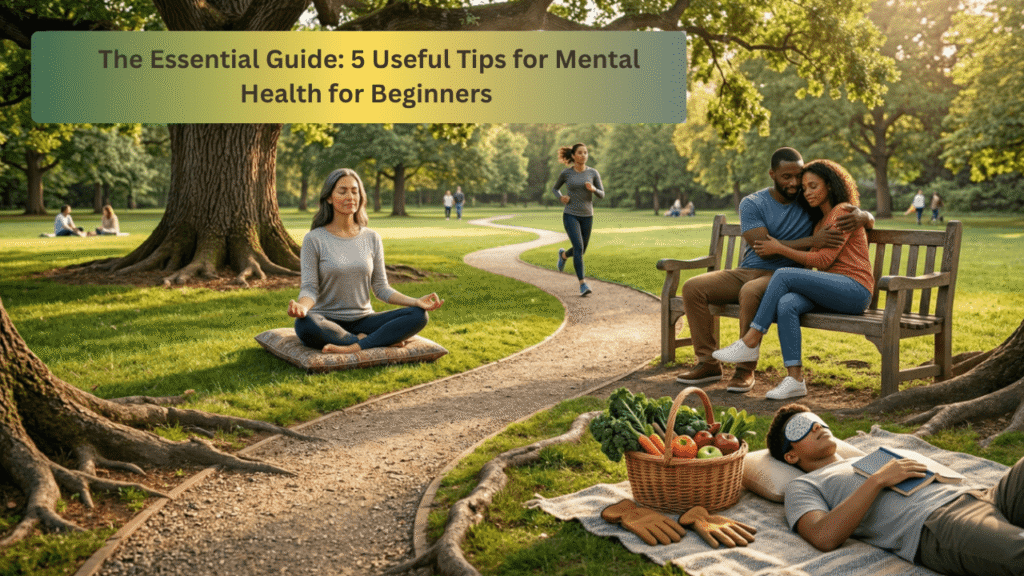
Essential guide featuring 5 Useful tips for Mental Health for beginners to reduce stress, improve sleep, find balance to Start your wellness journey today.
Table of Contents
Introduction
Understanding 5 Useful tips for Mental Health can be the turning point in how you handle stress, relate to others and make choices. Mental health is not just the absence of illness, it is the presence of emotional, psychological and social well being. If you are new to the world of self care, it can feel overwhelming to know where to start.
That is why we have compiled this guide. This post is designed to simplify the process, offering actionable steps that any beginner can take to start feeling better today.
1. Prioritize Consistent Sleep and Routine
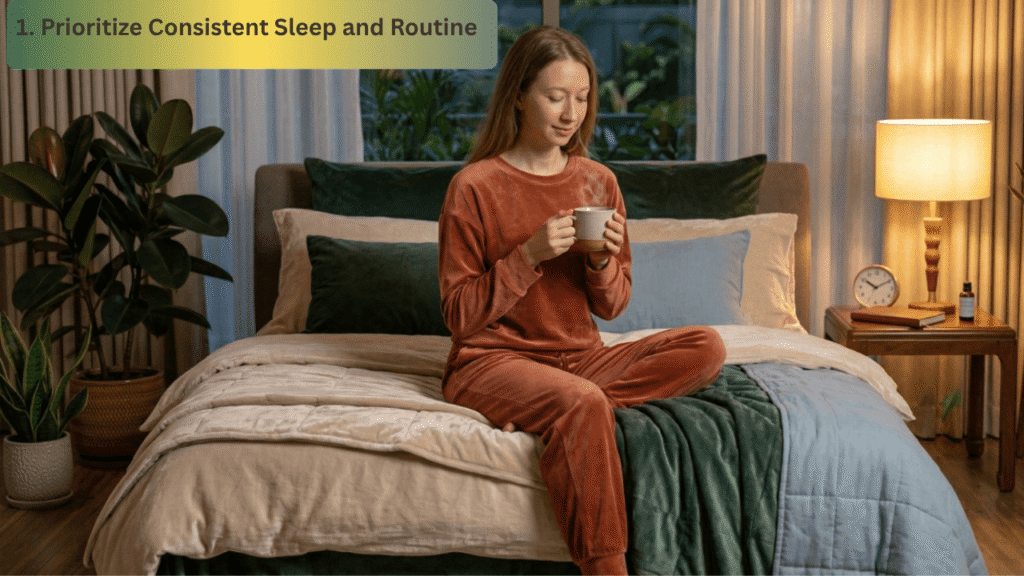
The foundation of a healthy mind is a rested body. Our brains require deep sleep to process emotions and clear out metabolic waste. For beginners, the first of our 5 Useful tips for Mental Health is to establish a “sleep sanctuary.”
Try to go to bed and wake up at the same time every day, even on weekends. When you create a predictable routine, your nervous system begins to feel safe. This reduces the “fight or flight” response that often leads to anxiety.
Small habits, like a morning stretches or a cup of herbal tea before bed, signal to your brain that it is time to transition, making it easier to maintain emotional stability throughout the day.
2. Incorporate Mindful Movement and Relaxation
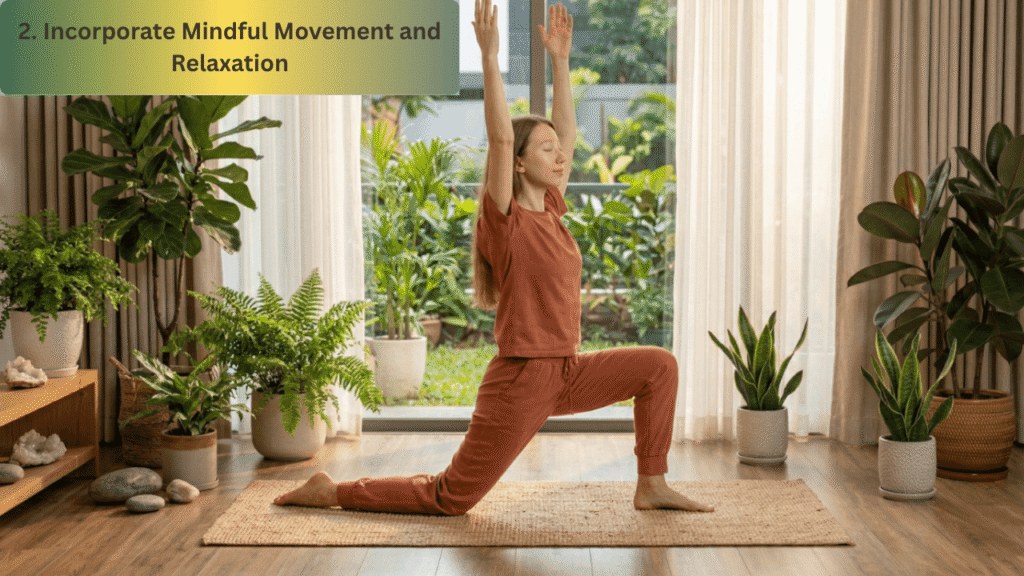
You do not need to spend hours at the gym to reap the mental rewards of exercise. Movement releases endorphins your body’s natural mood lifters. However, for many beginners, high intensity workouts can feel stressful.
The second of our 5 Useful tips for Mental Health focuses on gentle, mindful movement. Focusing on your breath while moving helps “ground” you in the present moment, pulling your mind away from worries about the past or future.
To help you with this, I have created a dedicated ( you tube video ) on simple relaxation exercises that you can do anywhere to instantly calm your nervous system.
3. Set Healthy Digital Boundaries
We live in an age of “information overload.” Constant scrolling through social media can lead to “upward social comparison” where we feel our lives are not good enough compared to other’s highlight reels.
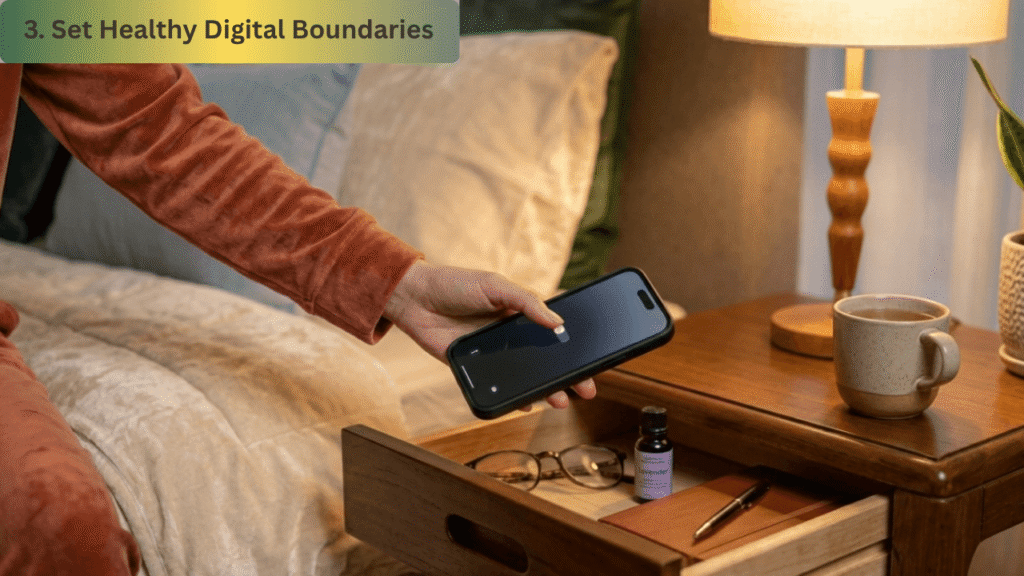
A critical entry in our 5 Useful tips for Mental Health is the “Digital Detox”.
Start small: try turning off notifications for one hour before bed or keeping your phone in a different room during meals. By reclaiming your attention from the screen, you give your brain the space it needs to rest and reflect, which significantly lowers feelings of inadequacy and digital fatigue.
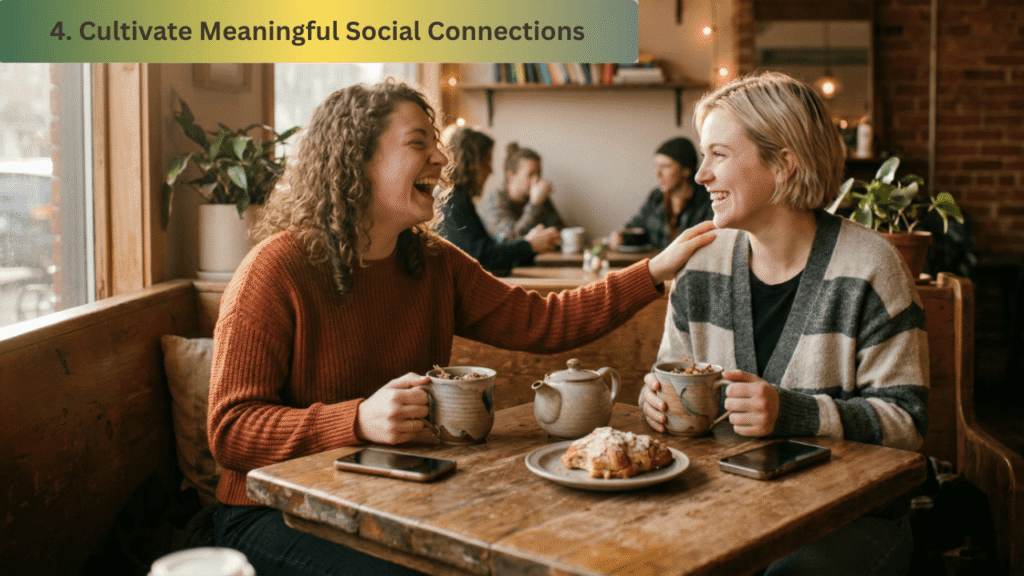
4. Cultivate Meaningful Social Connections
Humans are inherently social creatures. Isolation is a significant trigger for mental health struggles. Even if you consider yourself an introvert, having a small “support squad” is vital.
The fourth of our 5 Useful tips for Mental Health suggests reaching out to one person a day. It does not have to be a deep, emotional conversation, a simple text to a friend or a quick chat with a neighbor can stimulate the release of oxytocin, the “bonding hormone.” Connection reminds us that we are not alone in our struggles, providing a safety net for our emotional well being.
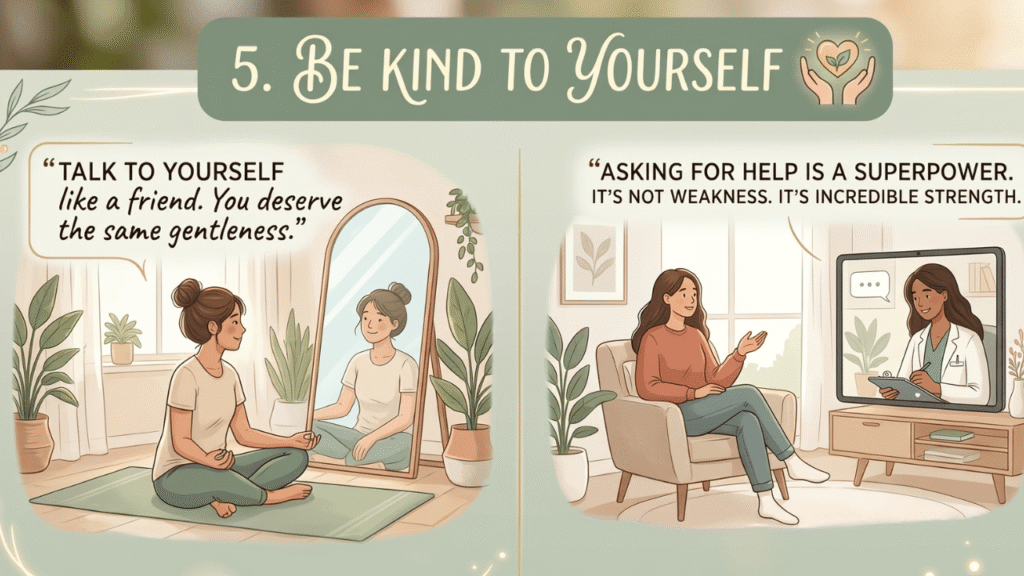
5. Treat Yourself with Kindness
We often forget to offer ourselves the same grace we hand out to the world. If you are having a tough day, let it be a tough day.
And if the weight feels too heavy to carry alone, remember that reaching out to a professional is an incredibly brave choice. It is not a weakness. Just as we see a doctor to fix a broken bone, seeking guidance for a bruised mind is how we build a healthy, happy life for the long run.
Watch the full guide on Easy Relaxation Exercises here, under the You Tube titled 5 useful Tips for Mental Health.
Conclusion
Beginning the journey toward better mental health requires genuine courage. By implementing these 5 Useful tips for Mental Health, you are building a toolkit that will serve you for the rest of your life.The most important thing is to stay consistent and be patient with yourself. You deserve to live a life that feels as good on the inside as it looks on the outside.
Embracing your mental wellness is perhaps the kindest gift you can offer yourself. It starts with small, consistent and beautiful acts of self care.
Be patient as you build your sanctuary. Breathe deeply into the quiet spaces you create. Remember to use the simple relaxation exercises provided in the video above to ground yourself. Your journey to inner peace has begun and the destination is a life that truly blooms from within.
(FAQs) About The Essential Guide: 5 Useful Tips for Mental Health for Beginners
1. How do I know which of the 5 Useful tips for Mental Health to start with?
Start with the one that feels the easiest. For most, fixing a sleep schedule or watching a 5 minute relaxation video is the best entry point. Success in one area builds confidence for the others.
2. Is it normal to feel worse before I feel better?
Sometimes, when we start paying attention to our mental health, we become more aware of our stress. This is normal. Stick with the 5 Useful tips for Mental Health and the “noise” in your head will eventually quiet down.
3. Do these tips replace medication?
No. These tips are lifestyle supports. If you have been prescribed medication by a doctor, continue taking it.These tips work alongside medical treatment to improve your overall results.
4. What is the expected time frame for seeing results?
Some people feel a “lift” in their mood after just one relaxation session. However, for long term change, expect to see significant improvements after 3 to 4 weeks of consistent practice.
5. I am too busy for a routine. What can I do?
Even “micro routines” count. If you can not do a full hour of self care, take 2 minutes to breathe deeply. Every second spent on your mental health adds up.
6. Can exercise really help my anxiety?
Yes. Physical activity burns off “anxious energy” and helps regulate the hormones that cause the physical symptoms of stress, like a racing heart.
7. Why is social media so bad for mental health?
It is not “bad” in itself, but the way we use it scrolling late at night or comparing ourselves to others can disrupt our sleep and self esteem.
8. What if my family does not support my mental health journey?
This is difficult, but your health is your priority. Look for support in online communities, with friends or through professional counseling.
9. Are these 5 Useful tips for Mental Health suitable for children?
Absolutely. Teaching children about sleep, movement and boundaries early on sets them up for a much healthier adult life.
10. Do I need expensive tools or equipment to implement these 5 Useful tips for Mental Health?
Not at all. The goal of this essential guide is accessibility. Fixing a sleep schedule, practicing mindful breathing (like the easy relaxation exercises ), putting down your phone or reaching out to a friend are all completely free. Improving your mental health should not be a financial burden.
11. What should I do if I consistently try these 5 Useful tips for Mental Health but still feel stuck?
It is important to understand that these tips are fundamental lifestyle supports, not cures for severe conditions. If you have tried implementing these changes consistently for several weeks and still feel overwhelmed, anxious or unable to cope.
please reach out to a mental health professional (like a therapist or psychiatrist). They can offer targeted therapy or medical advice that goes beyond general lifestyle adjustments.