
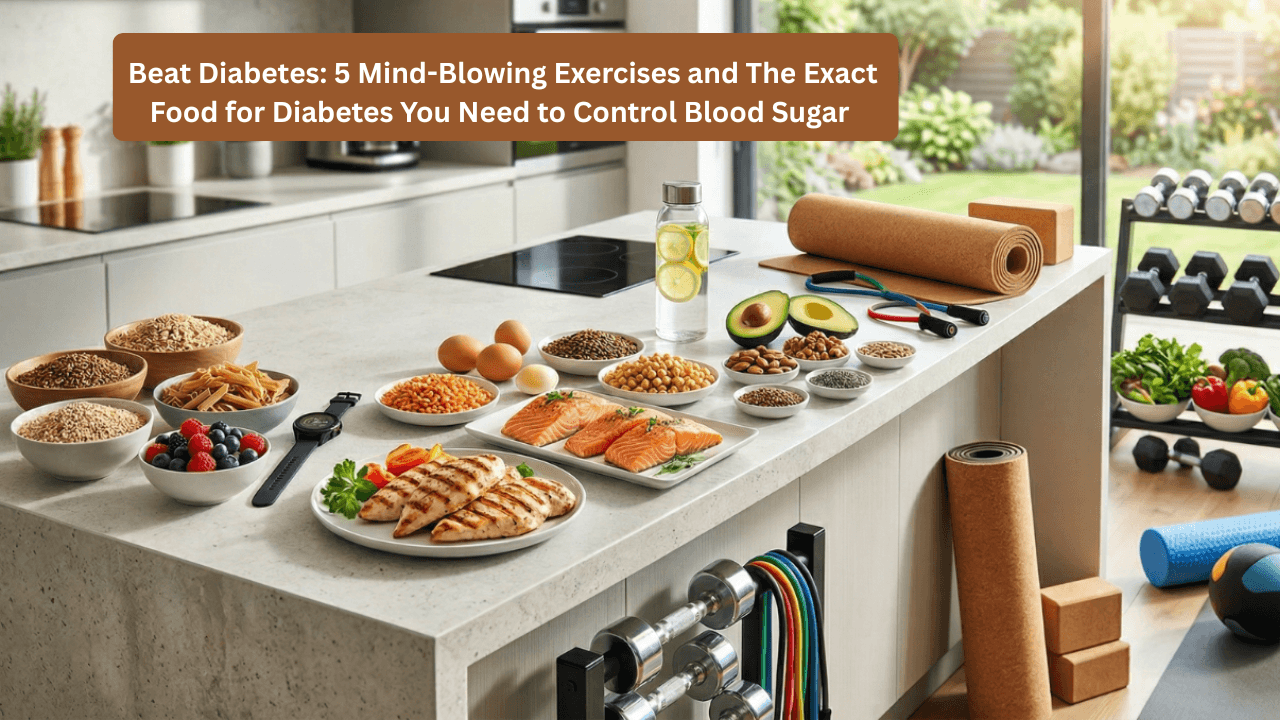
Discover how to manage blood sugar naturally. We break down 5 mind blowing exercises and the exact food for diabetes management that you can start using today.
Table of Contents
Introduction
This guide offers you exercises and the exact food for diabetes control that are practical, effective and sustainable.
Living with diabetes can often feel like your body has been hijacked by numbers, finger pricks and restrictive rules. If you have recently been diagnosed or if you have been struggling to manage your levels for years, it is easy to feel overwhelmed.
But here is the critical truth, while medication is often essential, your lifestyle choices what you move and what you eat remain your most potent weapons.
Many people believe that managing diabetes requires hours in the gym or starving themselves on tasteless diets. That simply is not true. True empowerment comes from understanding the synergy between specific movements and targeted nutrition.
Note: Always consult your doctor before making significant changes to your exercises and the exact food for diabetes routine, especially if you are taking insulin or other medications.
1. Strength Training: Building Your Glucose Sponges
Strength training is not just about building big muscles, it is one of the single best exercises and the exact food for diabetes strategies available. Why? Because skeletal muscle is your body’s main “glucose sponge.”
When you perform resistance training (using weights, bands or your own body weight), your muscles require energy. They pull glucose directly from your bloodstream to fuel that movement, often without needing insulin to do so. Over time, building more muscle mass gives your body a larger capacity to store and manage glucose.
The Strategy: Do not fear the weights. Focus on compound movements that work large muscle groups, such as squats, lunges or chest presses.

2. Brisk Walking: The Accessible Glucose Burner
You do not need a gym membership to revolutionize your blood sugar management. When looking for effective exercises and the exact food for diabetes plans, never underestimate the power of a brisk walk.
Walking is highly accessible and sustainable. A brisk walk where you are moving fast enough that conversation is possible but singing is difficult immediately stimulates muscle glucose uptake. Furthermore, studies show that a short, 15 minute walk after a meal can significantly blunt the post meal blood sugar spike.
The Strategy: Aim for 30 minutes a day, most days of the week. If that feels like too much, start with three 10 minute walks. Consistency is far more important than intensity when starting.

3. Yoga: Fighting Stress to Lower Sugar
Yoga? Yes. Yoga is a powerful entry in the world of exercises and the exact food for diabetes management, but not always for the reason people think. While yoga does provide gentle physical activity, its main benefit lies in stress reduction.
When you are stressed, your body releases cortisol, a hormone that triggers the liver to release extra glucose into the bloodstream (the “fight or flight” response). For diabetics, this cortisol spike can cause unexplained high readings. Yoga uses breathwork and mindful movement to lower cortisol levels, indirectly but effectively lowering blood sugar.
The Strategy: Incorporate 20 minutes of restorative or Hatha yoga into your evening routine. Focus on deep, slow breaths.

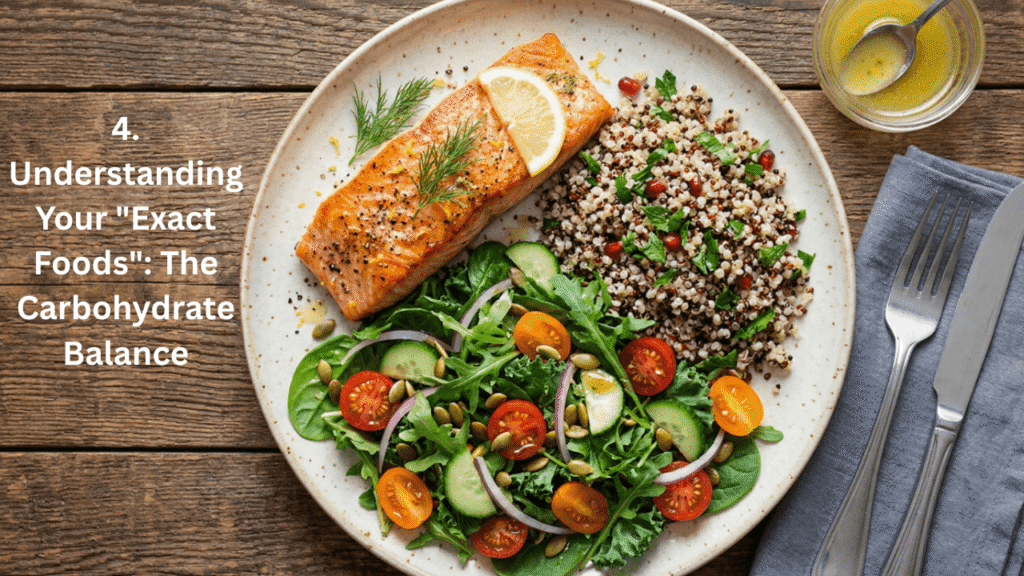
4. Understanding Your "Exact Foods": The Carbohydrate Balance
Exercise is only half the battle. You cannot “out exercise” a diet that continuously spikes your blood sugar. This is where understanding exercises and the exact food for diabetes becomes critical.
Carbohydrates are the main nutrient that affects blood sugar. They are not “bad,” but you must choose the exact types that fuel you without overwhelming your system.
The Strategy: Avoid (or severely limit): Refined carbs like white bread, sugary pastries, soda and white pasta. These digest quickly and cause rapid spikes.
Prioritize (Your “Exact Foods”): Complex carbohydrates rich in fiber, such as lentils, beans, oats and quinoa. Fiber slows digestion, meaning glucose enters your bloodstream slowly.
5. The Power of Nutrient Timing and Hydration
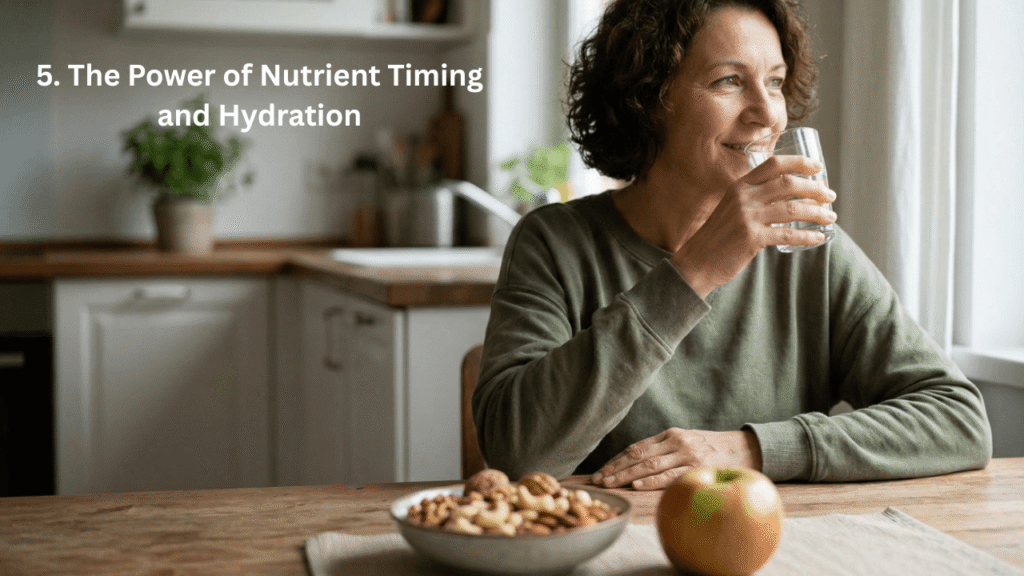
When mastering exercises and the exact food for diabetes, when you eat can be as important as what you eat.
Pairing carbohydrates with protein or healthy fats (like avocado or nuts) slows the absorption of glucose further. For example, rather than eating an apple alone, eat it with a tablespoon of peanut butter.
Furthermore, water is an essential “nutrient” that beginners often overlook. Water does not “cure” diabetes, but proper hydration helps your kidneys flush out excess glucose through urine.
The Strategy: Never eat “naked” carbs. Always pair them with protein or fat. And drink water consistently throughout the day, aiming for at least 8 cups (more if exercising).
Conclusion
The real “mind blowing” secret is not a magical pill or a single superfood, it is the synergistic effect of consistent lifestyle choices. By integrating some lazy morning exercises and the exact food for diabetes management into your daily routine, you are not just reacting to numbers you are actively rewriting your health future.
Remember, every step you take and every healthy meal you choose is a victory. Start Exercises and The Exact Food for Diabetes, be kind to yourself on the “off” days and watch the profound impact consistency can have on your vitality.
FAQs: About Beat Diabetes: 5 Mind-Blowing Exercises and The Exact Food for Diabetes You Need to Control Blood Sugar
1. Do I need intense exercise to see results?
No. While higher intensity exercise (like HIIT) has benefits, consistency is more important than intensity. For many beginners, brisk walking is highly effective and far more sustainable than intense gym sessions.
2. Is strength training safe for diabetics?
Yes, and it is highly recommended. Strength training builds muscle, which is your primary glucose burning tissue. However, if you have complications like neuropathy or retinopathy, always consult your doctor for a modified program.
3. Can I reverse Type 2 Diabetes with exercises and the exact food for Diabetes I need?
For many people, Type 2 Diabetes can be put into remission. This means blood sugar levels are in a normal range without medication. While “reversal” is a popular term, “remission” is clinically more accurate. Maintaining this state requires long term commitment to a healthy lifestyle.
4. Which is more important for diabetes: diet or exercise?
Diet is generally considered the foundational element. You cannot “out exercise” a consistently high sugar diet. However, Exercises and The Exact Food for Diabetes are the catalyst that makes your body use the fuel (the food) you give it more efficiently. They work best in tandem.
5. What are the best complex carbohydrates (your "exact foods")?
Focus on high fiber, low glycemic foods. Excellent choices include steel cut oats, quinoa, lentils, chickpeas, black beans and non starchy vegetables (broccoli, spinach, bell peppers).
6. Do I have to stop eating fruit?
No! Fruit is packed with vitamins and fiber. However, some fruits spike blood sugar faster than others. Prioritize berries (strawberries, raspberries, blueberries) and fruits with skins (apples, pears). Avoid or limit very sugary fruits like mango, pineapple and watermelon.
7. Should I exercise if my blood sugar is already high?
This is a complex question. If your fasting blood sugar is over 250 mg/dL and you are Type 1, exercise can sometimes raise sugar.
For Type 2, gentle exercise (like walking) usually lowers it. Always follow your doctor’s specific guidelines for high sugar exercise.
8. What should I eat before or after exercise?
Before: a small amount of complex carbs 30–60 minute (like a banana or oat bar) to prevent hypoglycemia.
After: A mix of protein and carbs (like Greek yogurt with berries or chicken quinoa) to replenish energy stores and repair muscle.
9. What is the single best exercise for beginners with diabetes?
Brisk walking: It is free, requires no special equipment and is proven to lower blood sugar immediately and improve insulin sensitivity long term.
10. What caused my blood glucose to rise after physical activity?
Short, intense bursts of exercise (like sprinting or heavy lifting) can trigger the “fight or flight” response, causing the liver to release extra glucose for quick energy. This spike is usually temporary and followed by a larger drop later. Restorative Exercises and The Exact Food for Diabetes (walking, gentle yoga) typically causes sugar to go down.